Vietnam's north: Hanoi and Ha Long Bay
Hanoi rewards slow walking more than a checklist. The Old Quarter's 36 short streets each once sold a single trade — silk on one, tin on the next — and enough of that pattern survives in the shopfronts today, even where the goods have shifted. Set aside at least a full day here before moving on, ideally with an early start while the lake paths are still quiet.
Two and a half hours east by road, [Ha Long Bay](destinations/ha-long-bay) turns the trip vertical: limestone islands rising straight out of the water, explored mostly from the deck of an overnight cruise rather than on foot. One night aboard covers the essentials; a second, usually spent around Cat Ba or Lan Ha Bay, suits travellers who want kayaking added to the itinerary.
Central and south Vietnam: Hoi An, Saigon and the Mekong
[Hoi An's](destinations/hoi-an) old town is small enough to cover on foot in an afternoon, though most travellers stay two or three nights for the tailoring shops and the lantern-lit riverfront after dark. The old quarter itself sits on flat ground with almost no traffic, a rarity anywhere in Vietnam.
Saigon runs at a different speed entirely — motorbikes, French colonial blocks in District 1, and a Chinese quarter in District 5 that feels like its own city. From there, the [Mekong Delta](destinations/mekong-delta) softens the pace again: floating markets that start before sunrise, narrow canals reached only by rowing boat, and fruit orchards worth a half-day stop on the way back.
Cambodia's temple city: Siem Reap
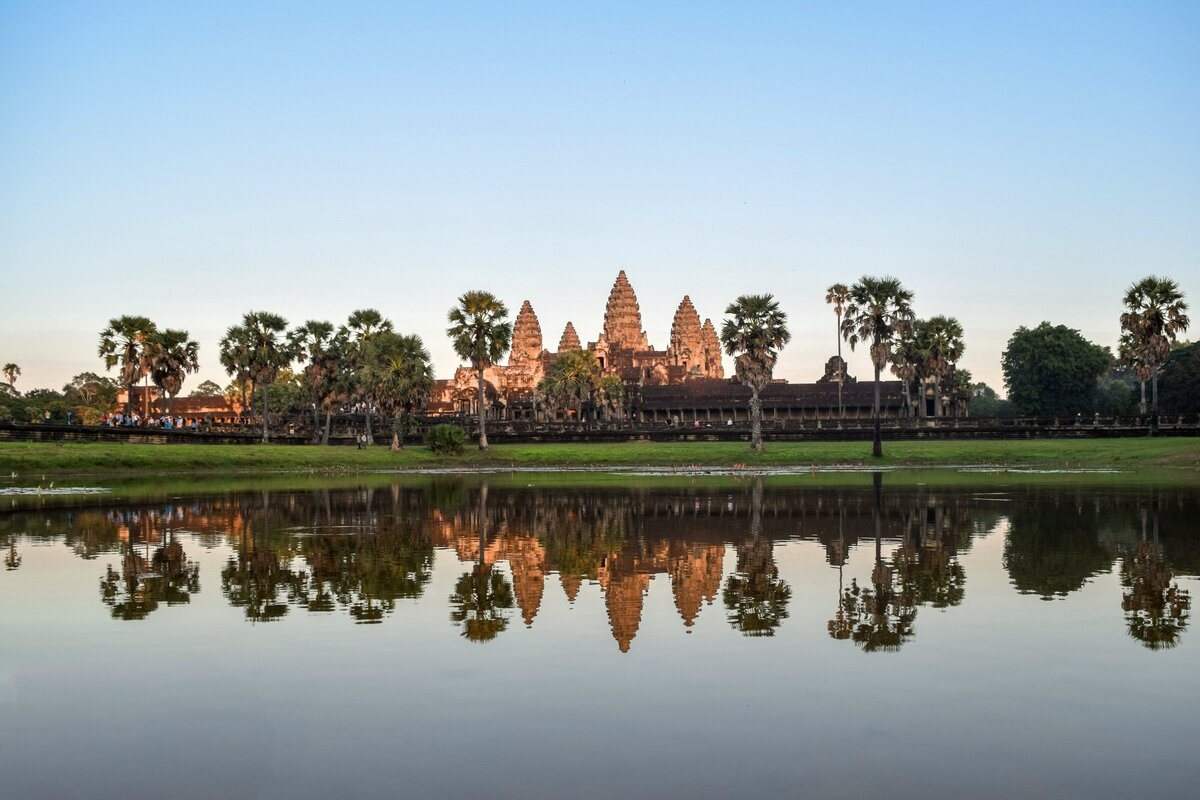
The city's name translates roughly as 'Siam defeated,' a nod to the long rivalry between the Khmer Empire and its western neighbour — a piece of history that's easy to overlook until you've stood in front of the scale of what the Khmer built at Angkor. Most travellers give the temple complex two to three days, since the site runs far larger than photographs ever suggest.
Beyond Angkor, an evening on Tonle Sap Lake is worth building into the schedule near [Siem Reap](destinations/siem-reap) — a boat trip timed for sunset, dinner served on board while stilt-built fishing villages drift past on either side.
Laos at its most unhurried: Luang Prabang
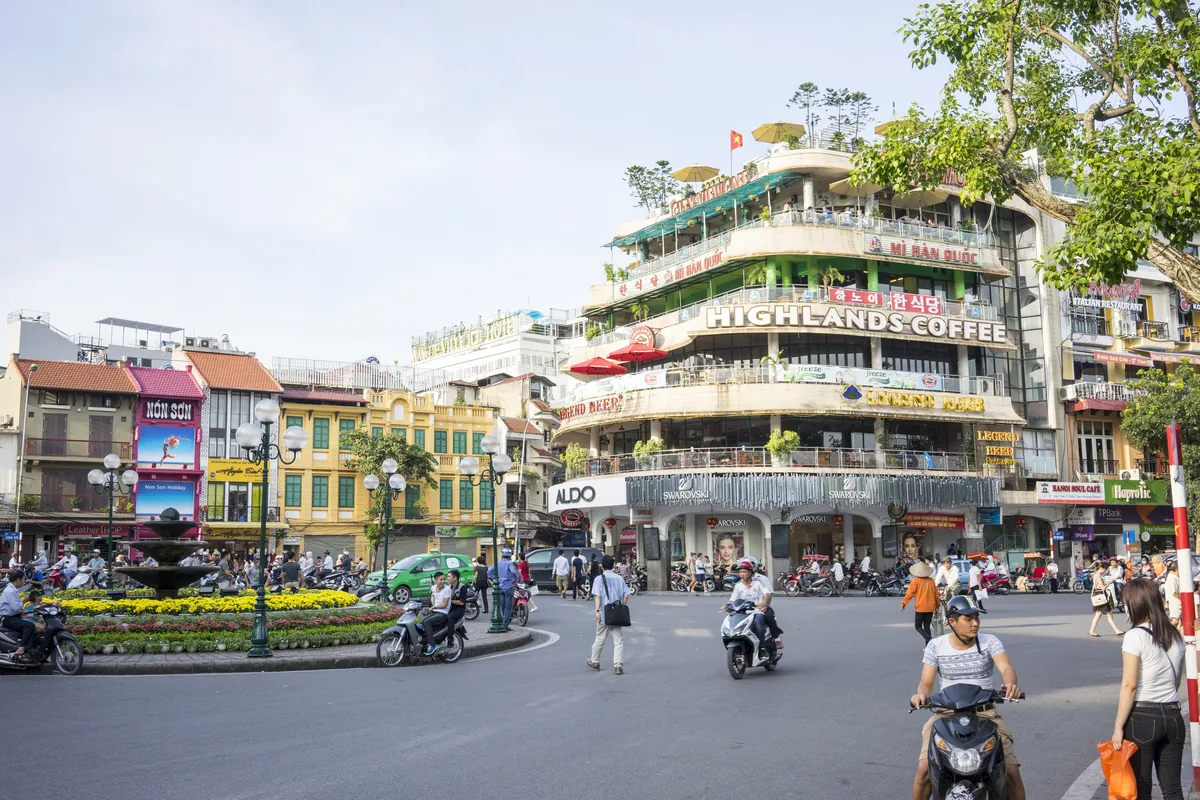
[Luang Prabang](destinations/luang-prabang) sits where the Nam Khan river meets the Mekong, and the town has kept a genuinely slow rhythm — French shophouses next to gilded temples, monks walking the main street at dawn to collect alms, and almost nothing open before eight in the morning.
It works best without a packed schedule: a morning market, an afternoon at a nearby waterfall, dinner along the night market street. After the pace of Vietnam or Cambodia, most travellers treat it as a deliberate change of gear rather than a place to rush through.
How to sequence a trip across three countries
- Start in the north — Hanoi and Ha Long Bay — and move south; both flight connections and road logistics favour this direction over the reverse.
- Allow at least two to three weeks for all three countries properly; anything shorter usually means reducing one country to a single city.
- Put Luang Prabang or the Mekong Delta near the end of a trip, since both work well as a slower closing stop after busier days elsewhere.
- Leave a buffer day around Siem Reap — flights in and out of Cambodia run less frequently than Vietnam's domestic network, and delays there are more disruptive to a tight schedule.
Plan it with us
The stops above already form the backbone of several of our multi-country routes, sequenced so travel time between them stays reasonable rather than eating into the days on the ground.
Plan your trip
Tell us your dates, your group and what you want out of the trip. We reply with a costed itinerary within one working day.