Why go
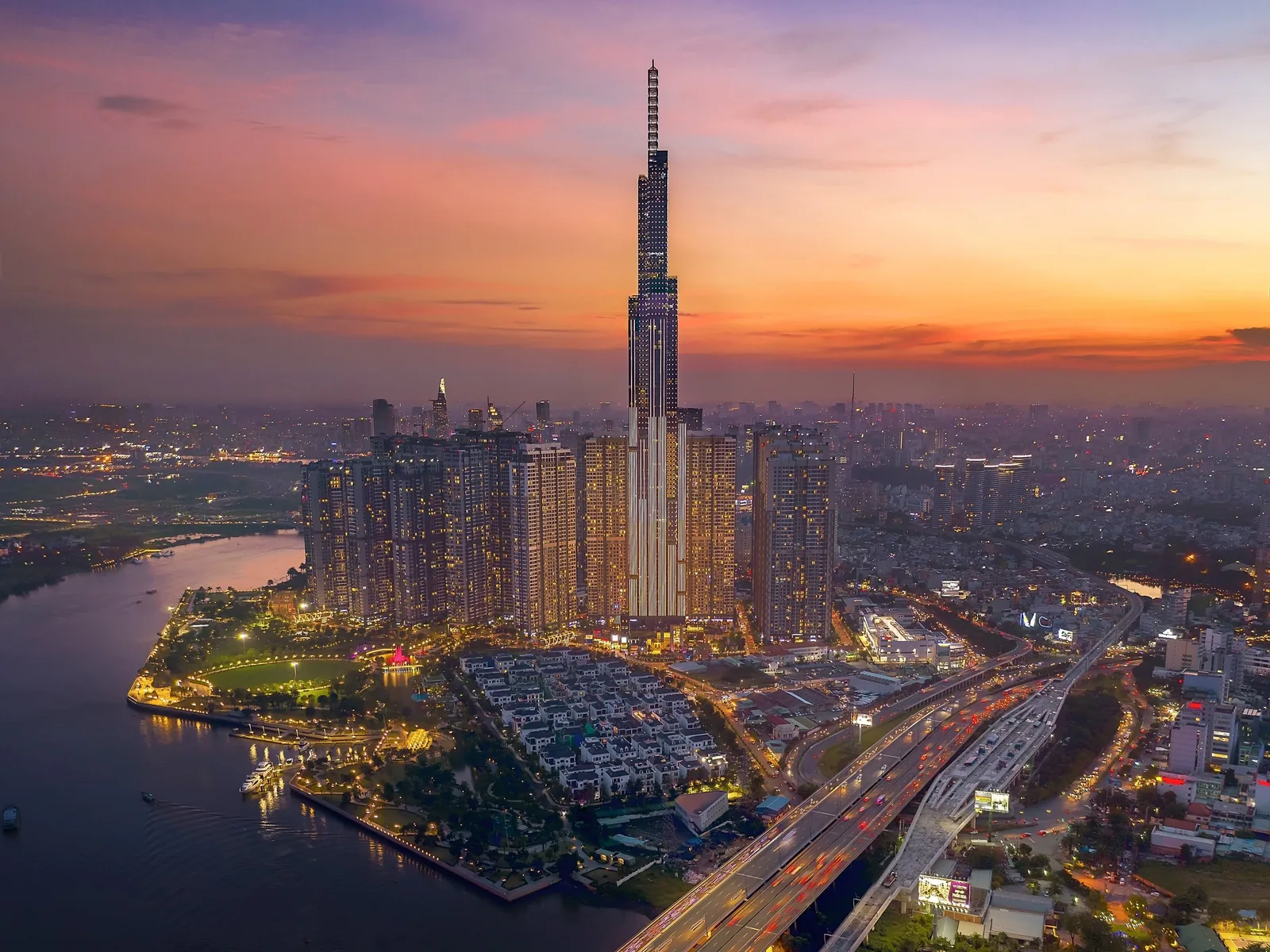
As the country's largest city and its commercial centre, this is where French colonial-era buildings sit a few blocks from glass towers like Landmark 81, and where a war that ended in 1975 is still close enough to the surface that a couple of the city's key sights are built directly around it. Traffic here means motorbikes more than cars, and crossing a street on foot is its own small skill to pick up in the first hour.
Most visitors give it two nights: one for the central sights on foot, one for a day trip out to the [Cu Chi tunnels](destinations/mekong-delta) or further into the delta. The food alone is worth extending a stay for — this is where Vietnam's regional dishes converge, from Hanoi-style pho to southern specialties you won't find further north.
Things to do
Reunification Palace
The building where the Vietnam War is generally marked as ending on 30 April 1975, kept largely as it was — war room, president's office, basement communications centre included — rather than converted into a conventional museum.
War Remnants Museum
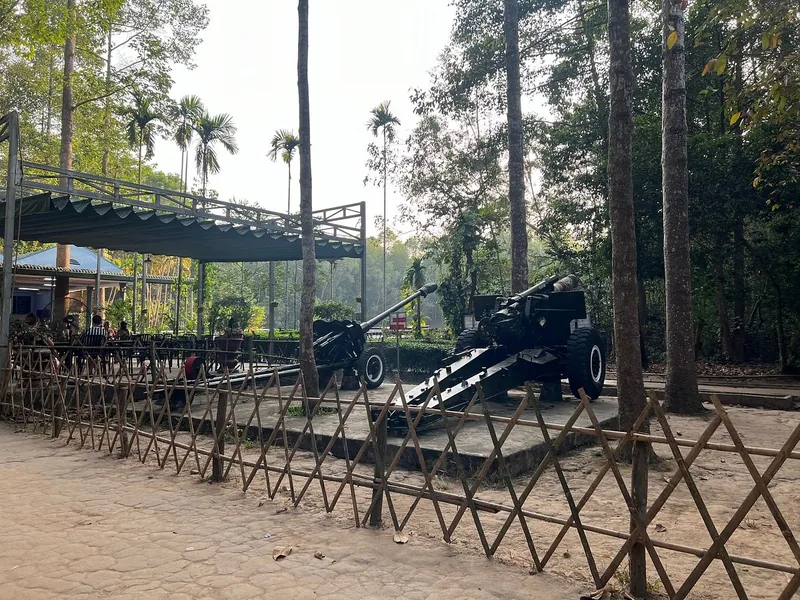
A pointed account of the war from the Vietnamese side, including captured military hardware in the courtyard and exhibits on the effects of Agent Orange. It's a heavy visit rather than a casual one, and worth going into with that expectation.
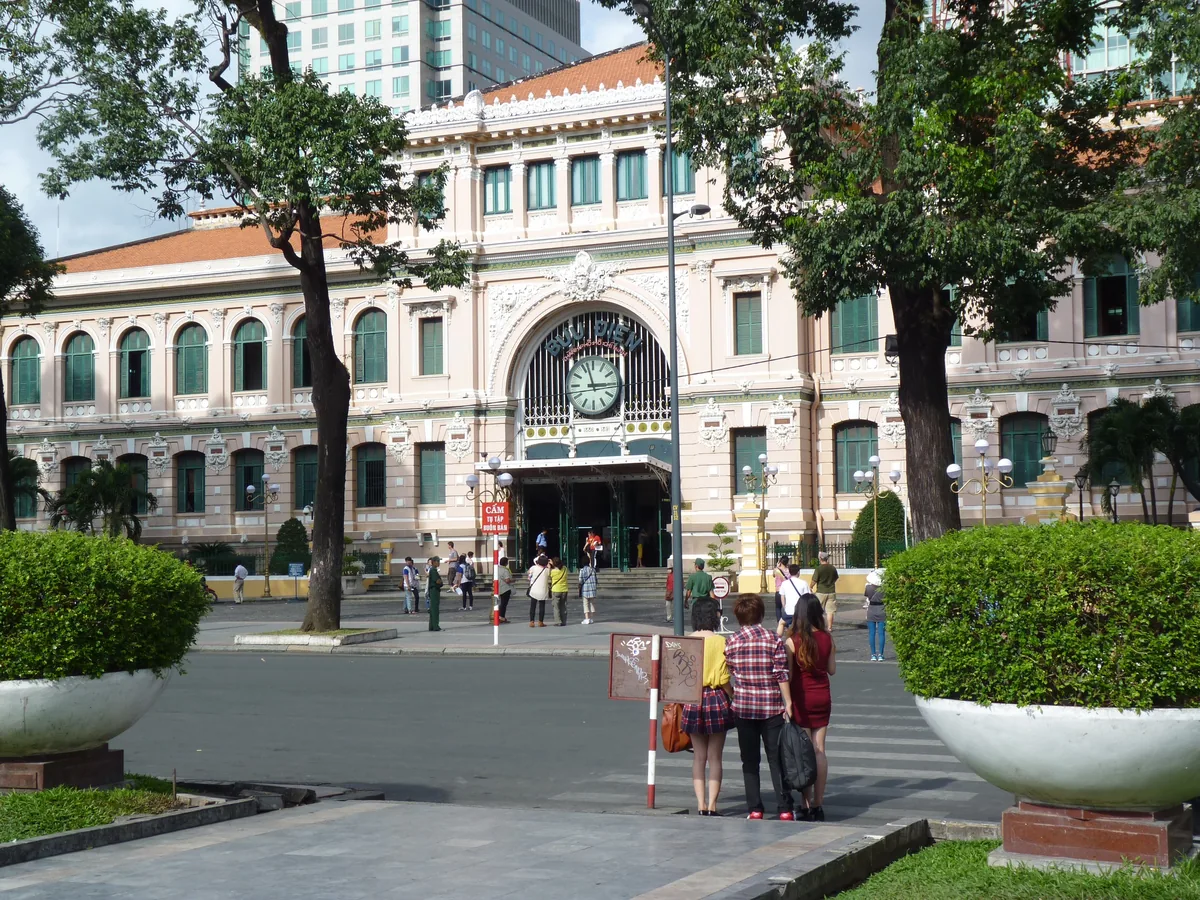
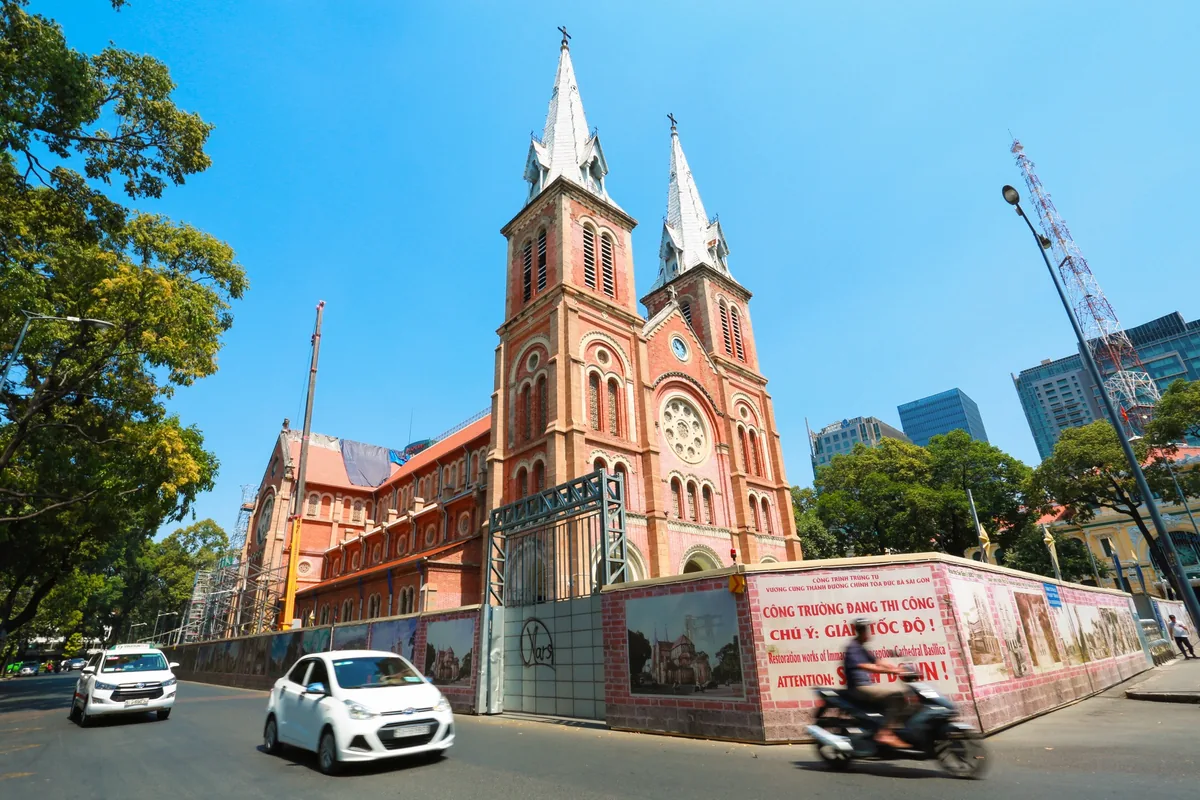
Notre-Dame Cathedral and Central Post Office
Two French colonial landmarks a few steps apart in the Dong Khoi district, along with the old Opera House and City Hall — the closest the city comes to a preserved colonial quarter, best covered on foot in the cooler part of the morning.
Ben Thanh Market
A covered market trading in everything from produce to souvenirs, worth a wander even without buying anything, though bargaining is expected and pickpockets are a real enough risk to keep bags zipped and close.
Cu Chi Tunnels day trip
About 1.5 hours each way from the city centre, this network of hand-dug tunnels used during the war can now be partly crawled through, with sections widened for tourists — a common half-day or full-day add-on to a city stay.
Street food after dark
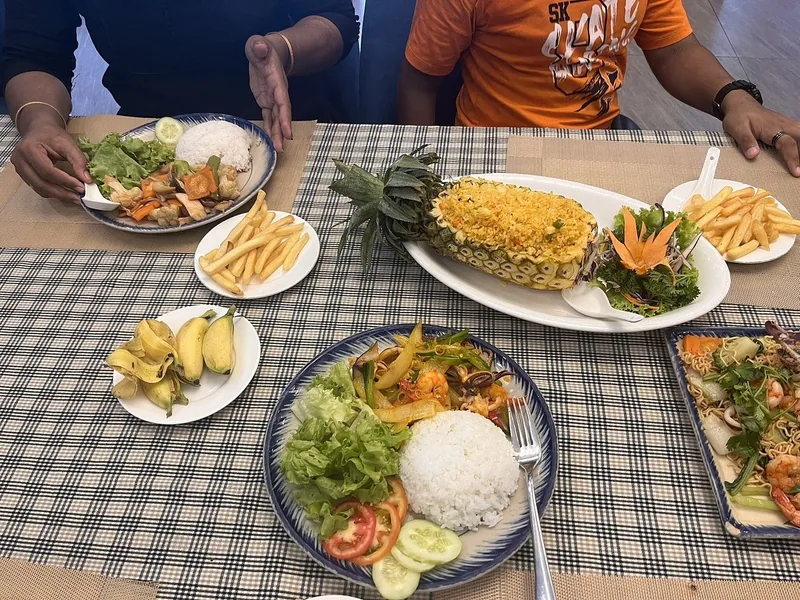
Com tam (broken rice) and a dense noodle-soup culture keep street kitchens busy from breakfast through midnight; a scooter-led food tour is a popular way to cover several stalls in one evening without navigating the traffic yourself.
When to go
December through April is the dry season, cooler and less humid than the rest of the year, with March and April building toward the year's hottest, stickiest weeks before the rains arrive. May through November brings the wet season, though the rain here tends to fall as a short, heavy downpour most afternoons rather than settling in for the day, so it rarely wrecks a whole day's plans.
Getting there and around
Tan Son Nhat International Airport sits about 20 to 30 minutes from District 1 depending on traffic, and is the main gateway for flights connecting to Hanoi, the central coast, and onward to Cambodia. Inside the city, ride-hailing apps and taxis are the easiest way to get around; the central sights are walkable in a morning, but Cu Chi and Mekong Delta day trips leave by road.
Tours that include Ho Chi Minh City
Plan your trip
Tell us your dates, your group and what you want out of the trip. We reply with a costed itinerary within one working day.
In pictures
In pictures
In pictures
In pictures
In pictures

In pictures
In pictures
In pictures
In pictures
In pictures
In pictures