Why go
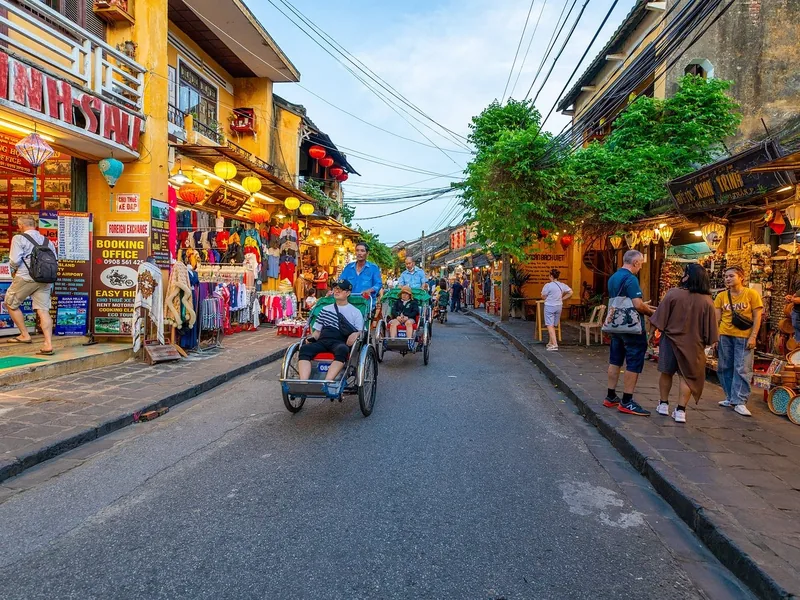
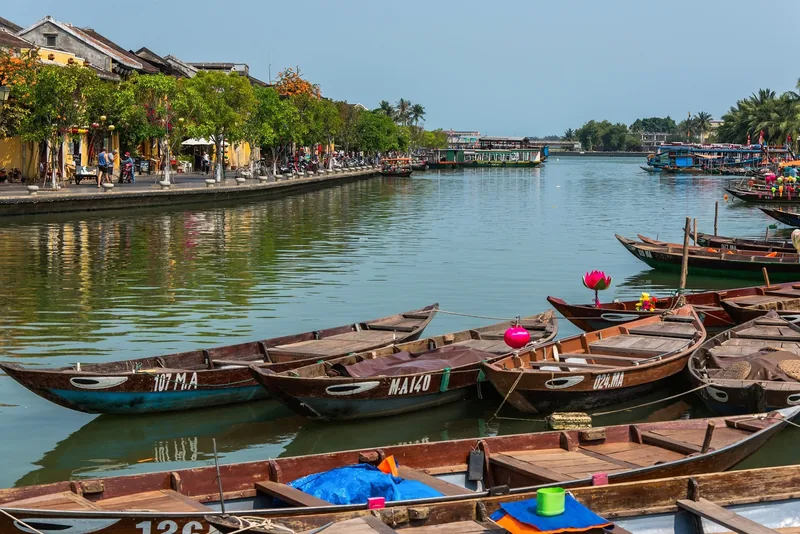
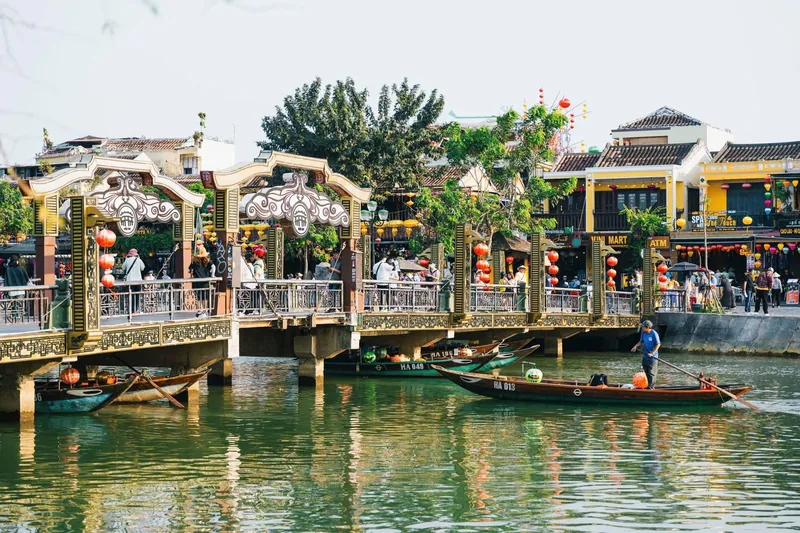
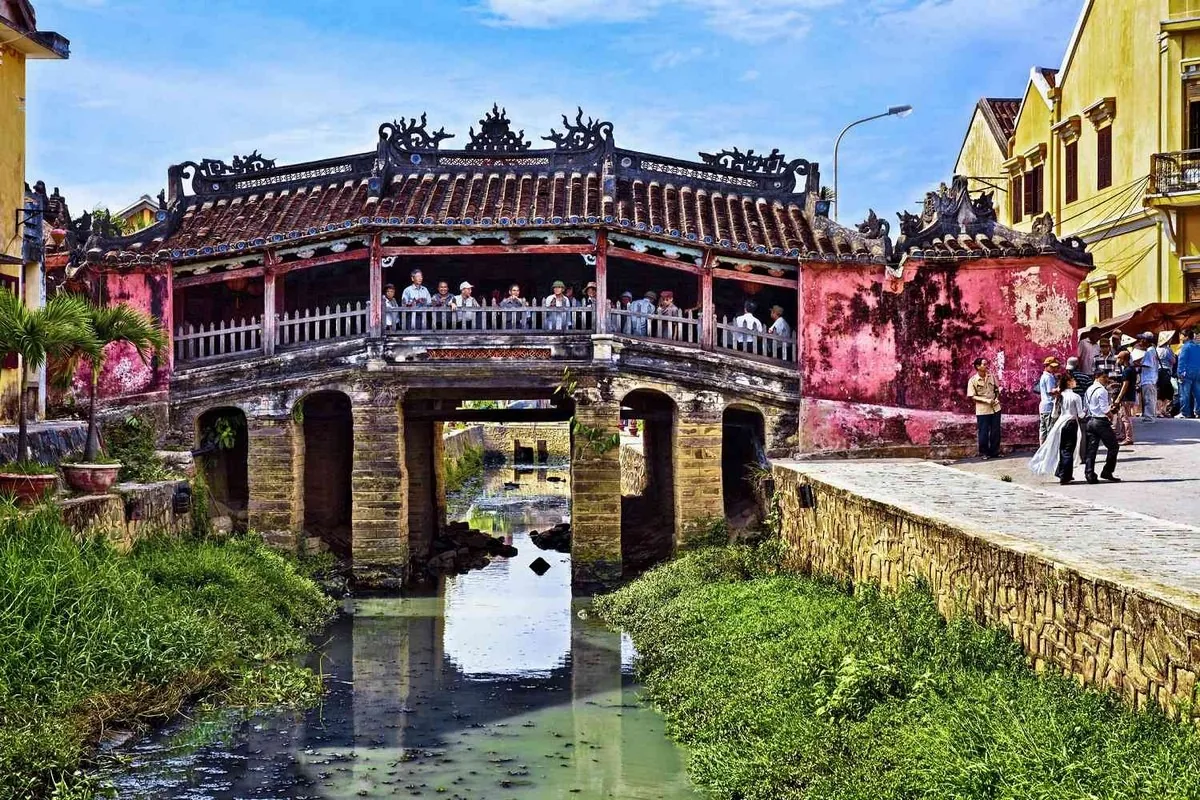
From the 16th to 18th centuries this was one of Southeast Asia's busiest ports, trading with Chinese, Japanese and Dutch merchants, and the [Japanese Covered Bridge](travel-guide/japanese-covered-bridge) and the timber-framed shophouses along Tran Phu Street date from that period. UNESCO listed the old town in 1999, and the core has been pedestrianised for parts of the day since, which keeps the merchant houses from being drowned in traffic.
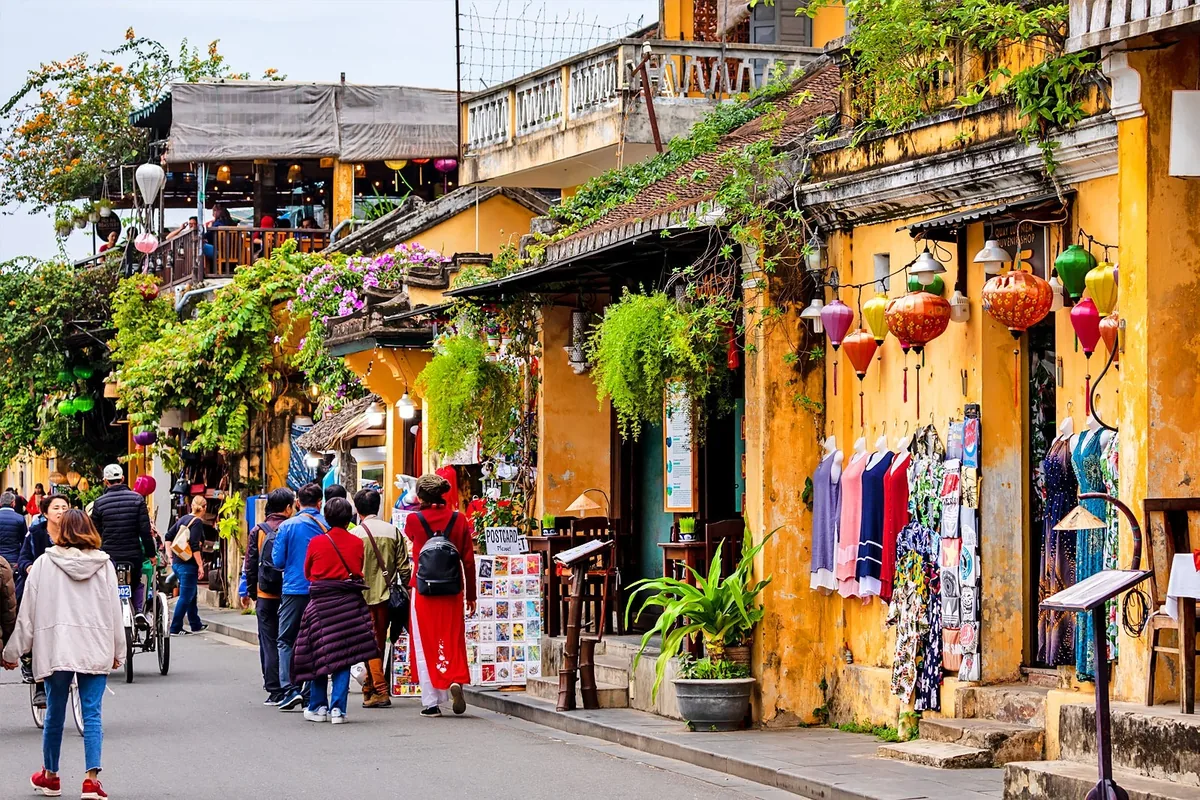
The town works on two speeds: daytime is for the tailors, the market and the museums inside the old houses; evening, when the core streets go car-free and the lanterns come on, is when Hoi An looks like its reputation. Most visitors base here for two nights and use one for the beach or the surrounding villages.
Things to do
Walk the old quarter after dark
Cross the covered bridge, step inside a merchant house like Tan Ky that's still lived in by descendants of the original family, and follow Nguyen Thai Hoc street as the lanterns come on. On the 14th day of the lunar month the town switches off electric lighting entirely for its monthly lantern festival.
Cam Thanh coconut village
A short ride out of town, the water palm forest here is toured by round basket boat, paddled and spun by local boatmen who make a show of it. It's a popular add-on for families and takes an hour or two.
Tra Que herb village
Rows of mint, basil and coriander grown in raised beds on the edge of town, worked with the same hand tools farmers here have used for generations. Several operators run half-day classes that start in the fields and end at a cooking table.
An Bang beach
A ten-minute ride from the old quarter, with a run of casual beach bars serving fresh seafood into the evening — a straightforward counterpoint to a morning spent in museums and tailor shops.
Central Market and street food
Cao lau, the thick-noodle dish unique to Hoi An because it traditionally uses water from a particular well, is worth seeking out at a market stall rather than a tourist restaurant, alongside white rose dumplings and the banh mi stands that draw a queue most mornings.
When to go
February through July is the reliable stretch, warming from mild to genuinely hot by June and July. October through December is flood season: the Thu Bon River can rise over its banks and put parts of the old quarter under water for a day or two at a time, which locals treat as routine but which can disrupt a short visit.
August and September sit in between — hot, with the occasional storm, but usually dry enough to plan around.
Getting there and around
Da Nang International Airport is the nearest airport, about 40 minutes south by road, and most tours use it as the arrival or departure point for this stretch of coast. Hue is roughly 2.5 to 3 hours away over the Hai Van Pass, a scenic alternative to flying for travellers linking the two. Inside town, the old quarter is walkable, with bicycles the easiest way to reach Cam Thanh, Tra Que or the beach.
Tours that include Hoi An
Plan your trip
Tell us your dates, your group and what you want out of the trip. We reply with a costed itinerary within one working day.
In pictures
In pictures
In pictures
In pictures
In pictures
In pictures
In pictures
In pictures
In pictures
In pictures
In pictures