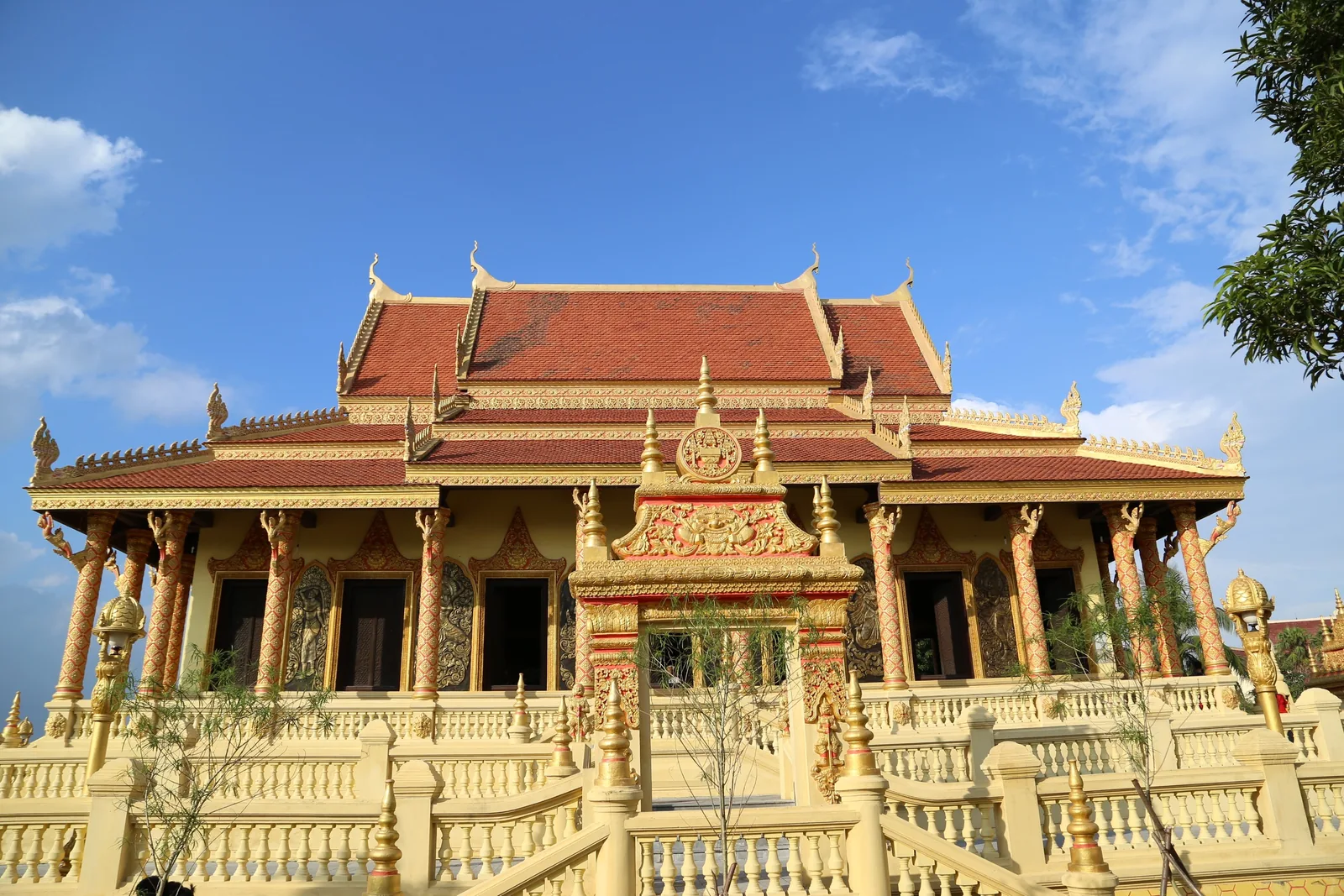
What Tet is and when it falls
Tet marks the start of the lunar calendar and stands as Vietnam's biggest holiday by a wide margin, roughly equivalent in scale to Christmas and New Year's Eve combined in the West. Because it tracks the moon rather than a fixed date, it lands somewhere between late January and late February each year, and public celebrations typically run for about a week around the changeover.
For a household, the day itself matters less than the run-up — the cleaning, the cooking, the return home — so treating Tet as a single date misses most of what makes it significant.
The week before: cleaning, remembering and preparing
In the days beforehand, many families visit and tidy family graves, clearing weeds and burning incense to invite ancestors back for the celebration — a custom often referred to as tending the graves. Close to the end of the twelfth lunar month, households also hold a farewell meal for the household's kitchen deity, a send-off dinner marking the point where the old year's business is considered settled.
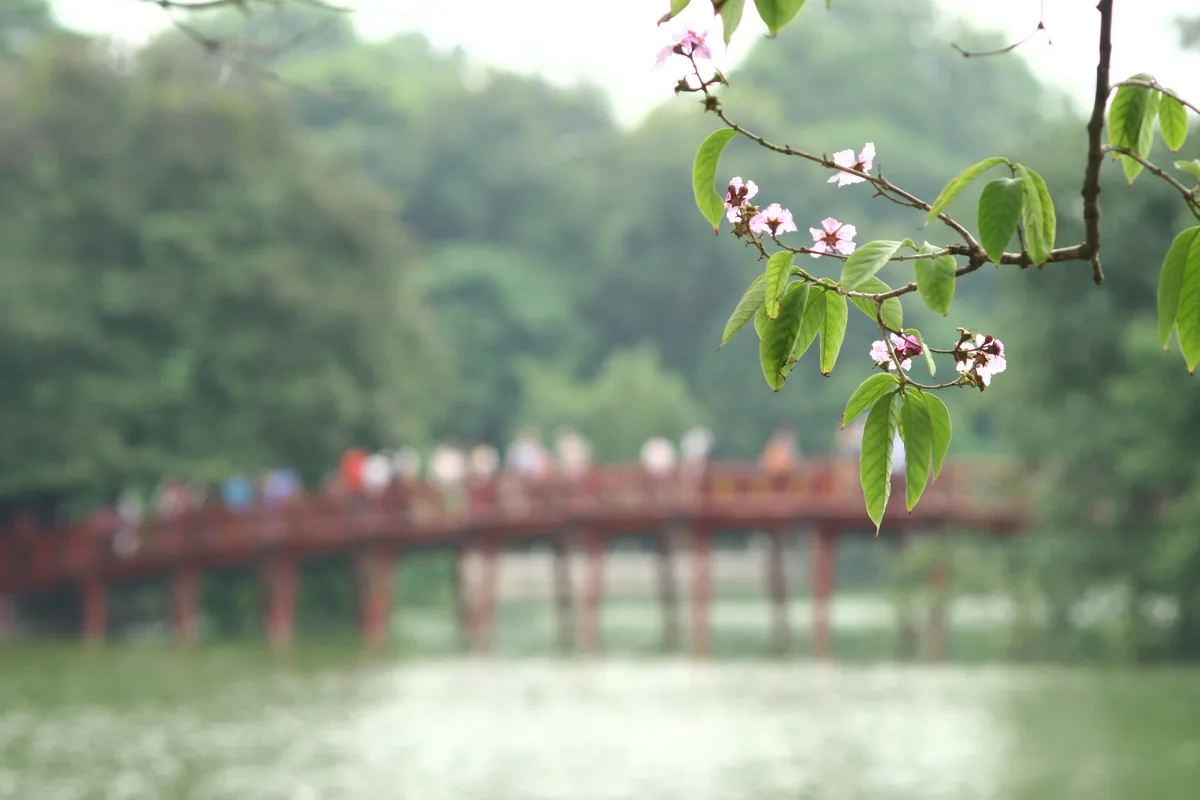
Homes get a thorough clean and fresh decoration in the final days, on the belief that sweeping after the new year begins risks brushing away the luck that just arrived. Markets fill with flowers built around two rival colours: golden-yellow apricot blossom dominates in the south, while soft pink peach blossom takes over in the north, and both share space with miniature kumquat trees whose ripe orange fruit is meant to represent successive generations of a family.
Midnight: the moment the year turns over
The changeover itself — giao thua — happens at midnight, and it's treated as a genuine hinge point rather than a countdown for its own sake. Bells and drums sound from temples, families gather at home to mark the passing of the old year, and fireworks displays fill city parks in Hanoi and Ho Chi Minh City. Many households also break off a fresh, budding twig from a tree to bring indoors, a gesture meant to carry new growth and vitality into the home for the coming year.
The first three days: who you visit, and when
Vietnamese custom assigns each of the opening days a different obligation, and it still shapes how people move around the country during the holiday.
- Day one is reserved for the husband's side of the family — an offering is laid out for ancestors and the extended family gathers for a shared meal at the parents' home.
- Day two shifts to the wife's family, and this is when most people fill the streets dressed in new outfits, paying visits and exchanging red envelopes with children.
- Day three is traditionally set aside for teachers, mentors and anyone credited with helping the family through the previous year, closing with rituals to send ancestral spirits back on their journey.
What it means if you're travelling during Tet
Small restaurants, family-run shops and local markets often close for several days either side of the holiday, and domestic flights, trains and buses get booked out well in advance as the country's workforce heads home. If your trip lands during this window, book accommodation and any long-distance transport early, and expect the [destinations](destinations/ho-chi-minh-city) that are normally loud and commercial — like central Ho Chi Minh City — to feel unusually quiet, or in the case of the flower streets, unusually crowded and festive.
On the upside, this is one of the only times of year you'll see flower markets at full scale, family shrines dressed for the occasion, and public spaces genuinely emptied of daily traffic — a different, quieter side of cities that are normally in constant motion. Our [Vietnam trip-planning guide](travel-guide/indochina-travel-tips) has more on adjusting an itinerary around public holidays.
The festival's quiet close: the first full moon
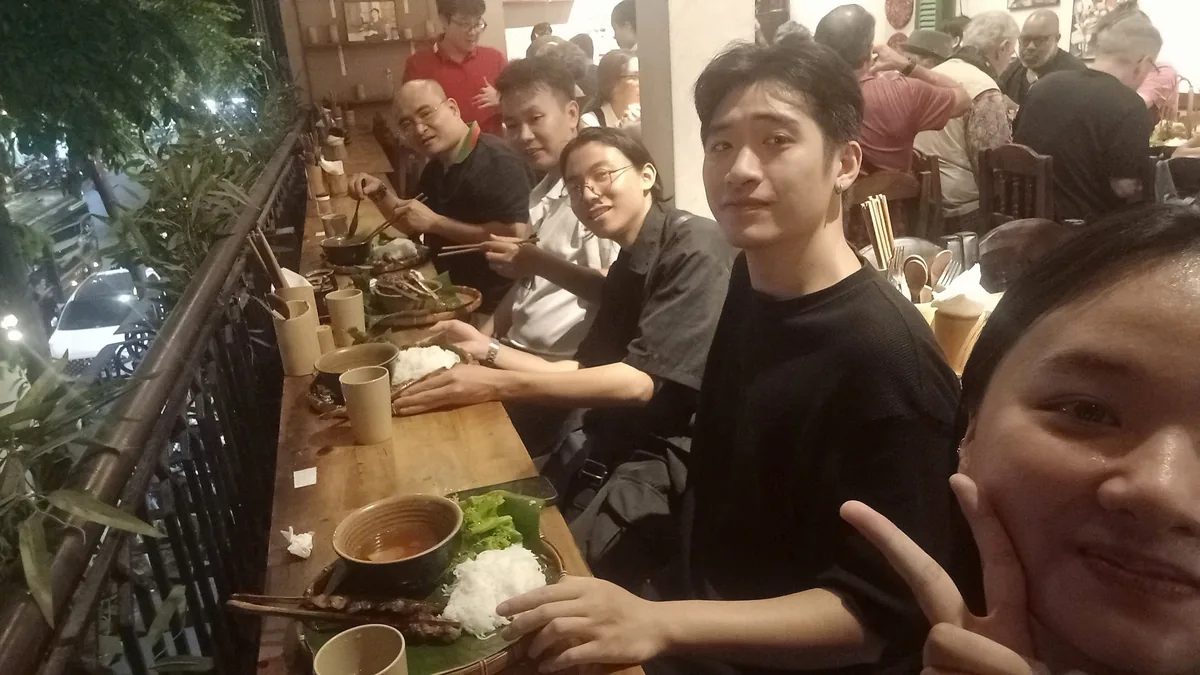
Two weeks after the new year begins, the first full moon of the lunar calendar is marked with temple ceremonies across the country, drawing crowds of people seeking blessings for the year ahead before life returns to its normal rhythm. It's a gentler bookend to the noise of the opening days, and a good marker for when Tet-related closures and crowds typically ease off.
Plan it with us
Travelling around Tet takes a bit more planning than a standard trip, but it also shows you a side of the country most visitors never see. These routes can be timed and adjusted around the holiday so you catch the atmosphere without getting caught out by closures.
Plan your trip
Tell us your dates, your group and what you want out of the trip. We reply with a costed itinerary within one working day.