Why autumn is Hanoi's favourite season
Unlike southern Vietnam's steady wet-and-dry cycle, Hanoi moves through four distinct seasons: a humid spring, a punishing summer, a cold winter and, from September to November, an autumn that stays dry, mild and consistently comfortable, with daytime temperatures generally sitting between 18 and 25 degrees Celsius.
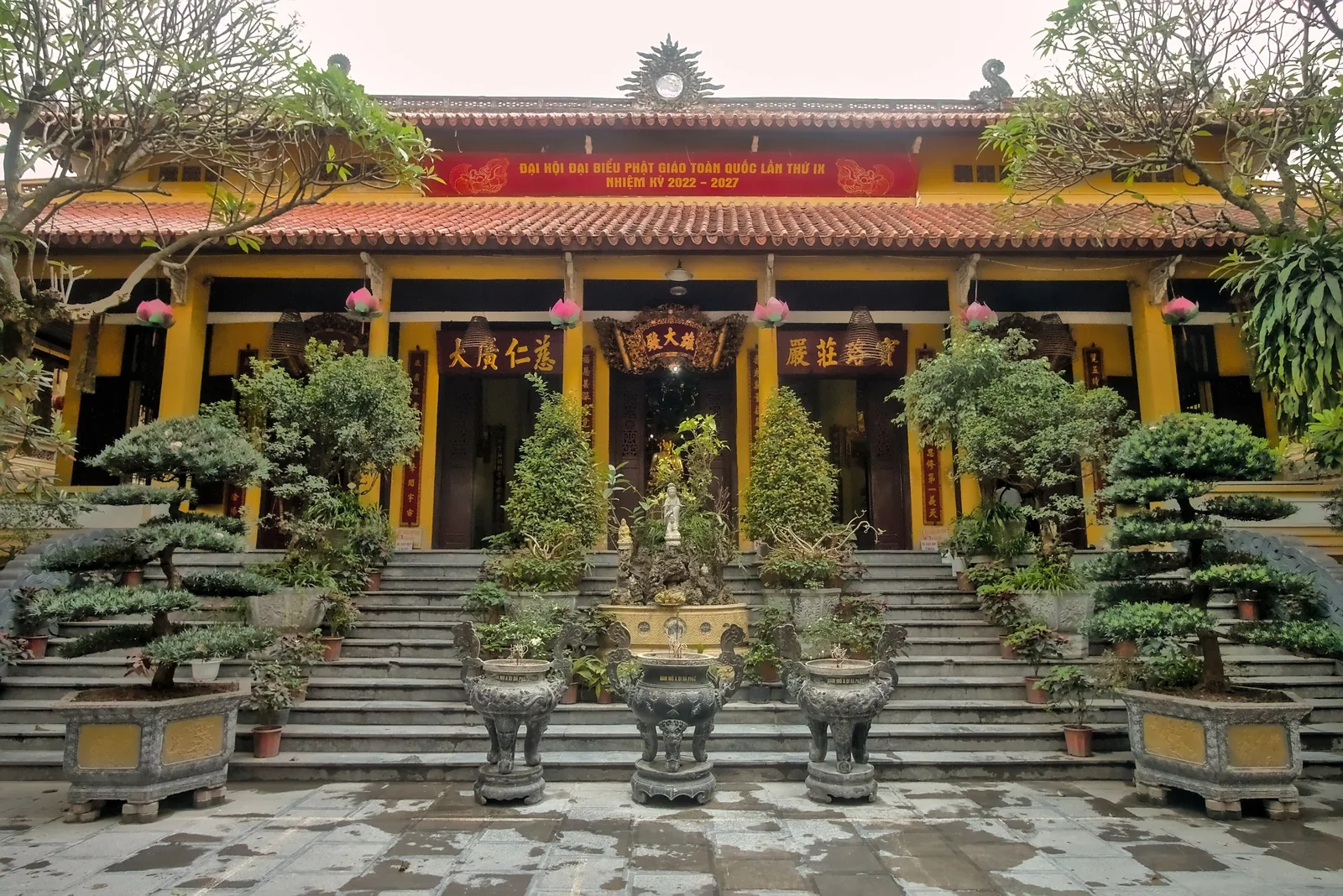
The change shows up first in the trees rather than the temperature. Yellow and red leaves start dropping through the Old Quarter, and milk flower, heather and daisies come into bloom in sequence, each with its own short window and its own scent trailing through certain streets.
Old Quarter walks and cyclo rides
A cyclo loop takes about an hour and strings together several sights that would otherwise mean a lot of backtracking on foot — the Old Quarter, a stretch of West Lake, Quan Thanh temple, then past the Ho Chi Minh Mausoleum on the way back. Drivers wait at most street corners in the old town, and the fare is agreed before setting off. An evening [water puppet show](travel-guide/water-puppet-theatre) is a good way to close out a day spent walking this part of the city.
On foot, the Old Quarter's 36 streets reward a full day rather than a quick pass through — each one historically tied to a single trade, and enough of that specialisation survives that a street selling one kind of goods still clusters those shops together today. A morning spent simply wandering, stopping for coffee or a snack wherever looks busy, is time well used here.
Where to see the season's colour
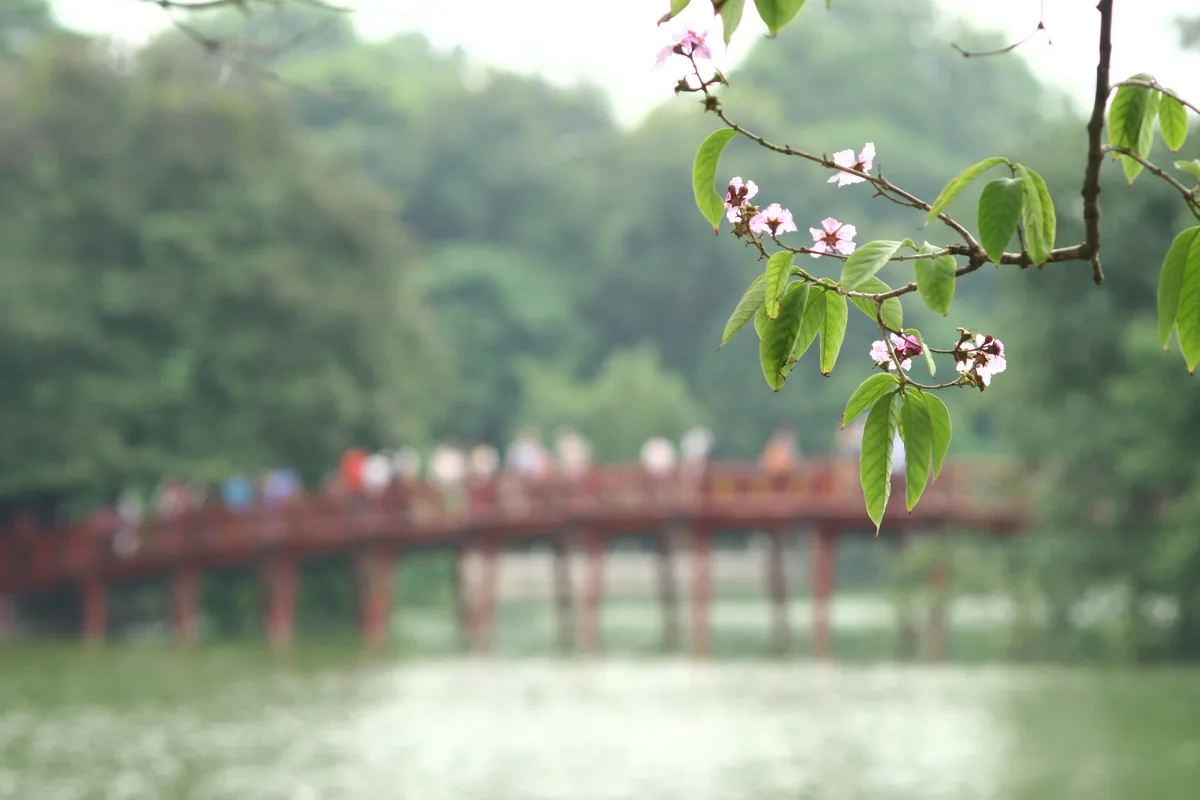
Hoan Kiem Lake changes character most obviously once the leaves turn — an early morning or pre-sunset walk around the water takes in Turtle Tower and Ngoc Son temple before finishing on The Huc bridge, without the midday crowds. Locals with a camera tend to head further out too: a stretch of West Lake, the Kim Ma junction, or Phan Dinh Phung and Hoang Hoa Tham on a quieter afternoon.
Milk flower gets its own following in autumn. Once the small white clusters fully open, the scent settles over a handful of streets — Nguyen Du is the best known, with Quan Thanh and Le Duan close behind — and it's common to see residents out walking specifically to catch it, camera or not.
What to eat while the weather holds
Autumn brings its own short-season dishes on top of Hanoi's usual repertoire — see our full [Vietnamese food guide](travel-guide/vietnamese-food-guide) for the rest of the country.
- Com, young green sticky rice sold from baskets by street vendors, especially around Vong village and Yen Hoa street, and available only for a short window each autumn.
- Dracontomelon and persimmon, both in season through the cooler months and sold at most local markets.
- Bun cha, banh cuon and banh goi for something more substantial, all served year-round but noticeably more pleasant to eat outdoors once the heat has broken.
- Egg coffee (read more in our [Vietnamese coffee guide](travel-guide/vietnamese-coffee)) and fresh beer at a sidewalk table, a standard way to close out a day of walking once evenings turn cool enough for a hot drink to make sense again.
Landmarks worth timing for autumn light
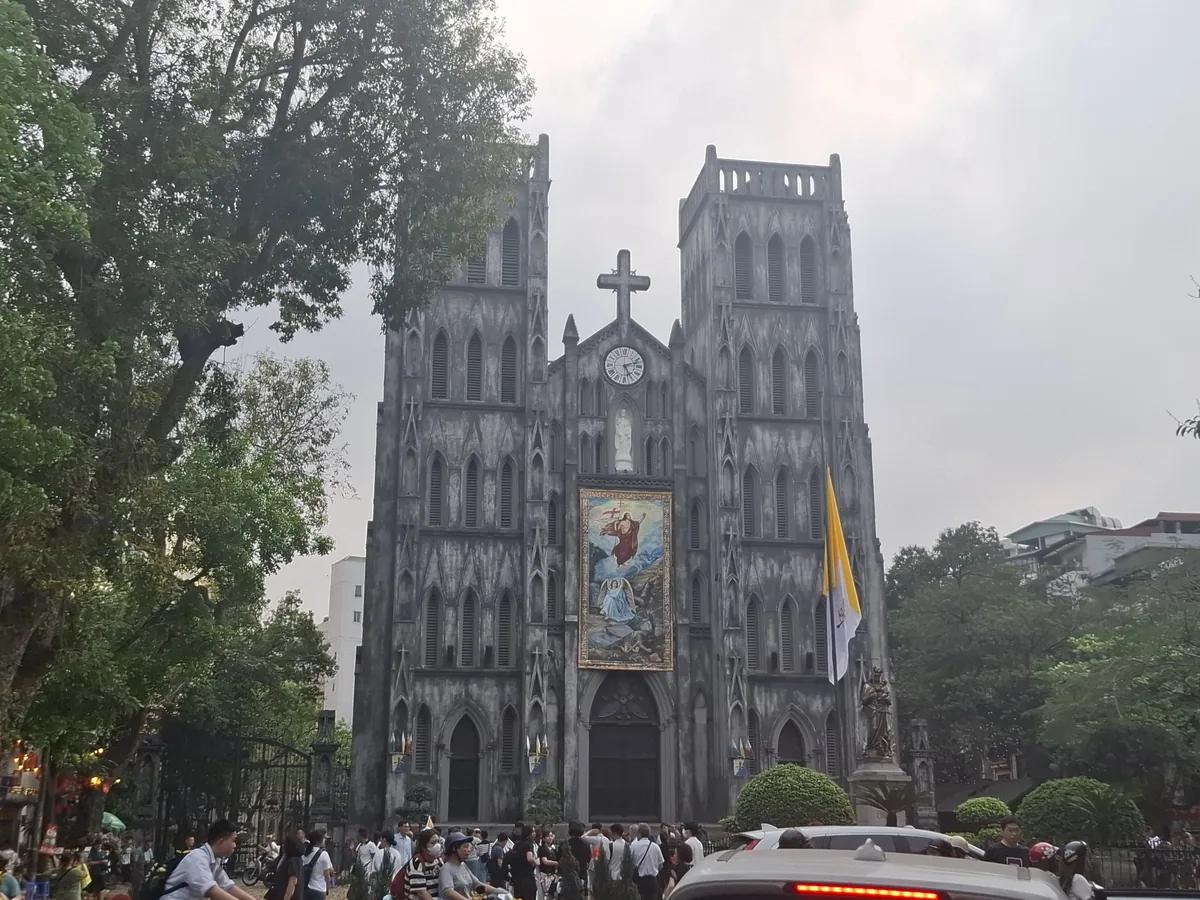
The French Quarter, built when colonial administrators replaced older structures with European-style villas in the nineteenth century, is worth a slower look in autumn's clearer light. Hoa Lo Prison, the National Museum of History, St Joseph's Cathedral and the Hanoi Opera House all sit within easy walking distance of each other.
Long Bien Bridge, the first steel bridge to cross the Red River and still the oldest, makes a good sunrise or sunset stop, with river life visible below on both sides. Nearby, Dinh Le book street draws browsers more than buyers most days, worth a stop if secondhand books in several languages are of interest.
Plan it with us
Hanoi works well both as an opening stop and a closing one, and autumn happens to suit either — cool enough for a first day of walking, mild enough for a last one before flying home.
Plan your trip
Tell us your dates, your group and what you want out of the trip. We reply with a costed itinerary within one working day.