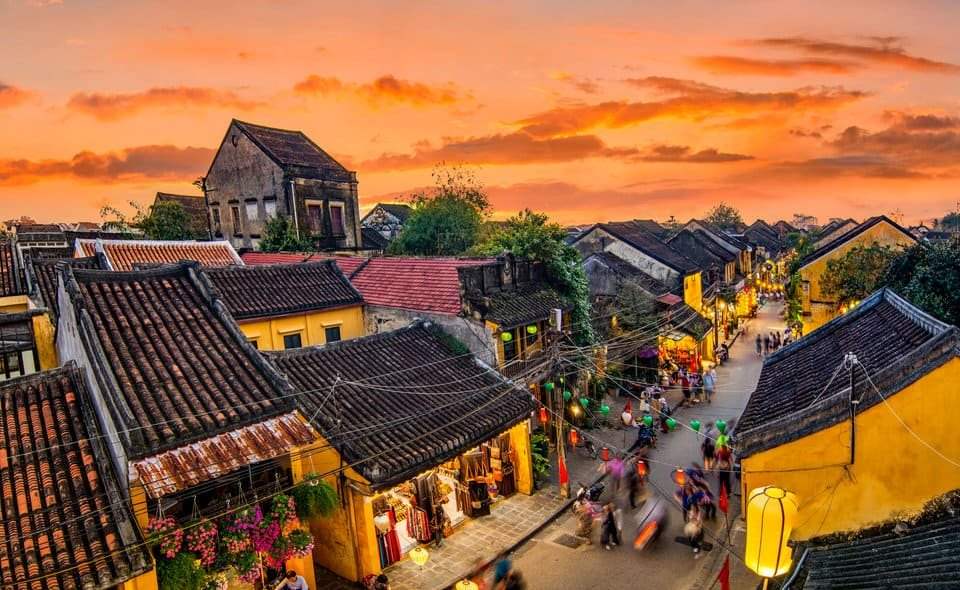
The far north: Sapa and its terraces
[Sapa](travel-guide/sapa-things-to-do) sits high enough that December and January bring genuine cold, occasionally down to minus one degree, which surprises visitors who assume Vietnam is uniformly tropical. The draw is the landscape — terraced rice slopes carved into the hillsides — and the ethnic minority communities of the surrounding valleys, along with a cable car ascent of Fansipan, the highest peak in Indochina.
- Fansipan cable car or trek, for those wanting the summit without a multi-day hike.
- Cat Cat village, an easy walk from the town centre through rice terraces.
- Ta Phin village, further out, for a quieter look at local weaving and farming.
- Local specialities worth trying include thang co and grilled corn from the street stalls.
Ha Long Bay and Hanoi
[Ha Long Bay](destinations/ha-long-bay), a UNESCO World Heritage site made up of close to 1,900 limestone islands, is usually experienced on an overnight cruise rather than a rushed day trip, which lets the light change over the water at sunrise and sunset. Beyond the boat itself, Tuan Chau island and the Sun World amusement park at Bai Chay are common add-ons for families.
An hour and a half away, Hanoi's old quarter still traces its layout back roughly a millennium, its narrow, guild-named streets balanced against a genuinely modern city growing around them. Vietnamese coffee, thick and strong, is worth trying here specifically — the city is credited with inventing egg coffee — and the train street cafés, where the tracks run inches from the tables, are a local curiosity worth a short visit.
Central Vietnam: Hue and Hoi An
Hue's Citadel and the tombs of the Nguyen emperors sit along the Perfume River, and a boat ride past them while a musician plays traditional Hue court songs is a common way to see the sights without walking the whole complex on foot. Local specialities include Hue-style beef noodle soup and small steamed rice cakes unique to the region.
[Hoi An](destinations/hoi-an), a couple of hours south, trades imperial grandeur for a preserved merchant town — the Tan Ky old house, Phung Hung house and the covered bridge are all within walking distance of each other, and the town's paper lanterns are lit each evening rather than left as daytime decoration. Cao lau, a noodle dish unique to Hoi An, is worth seeking out over the more widely available pho.
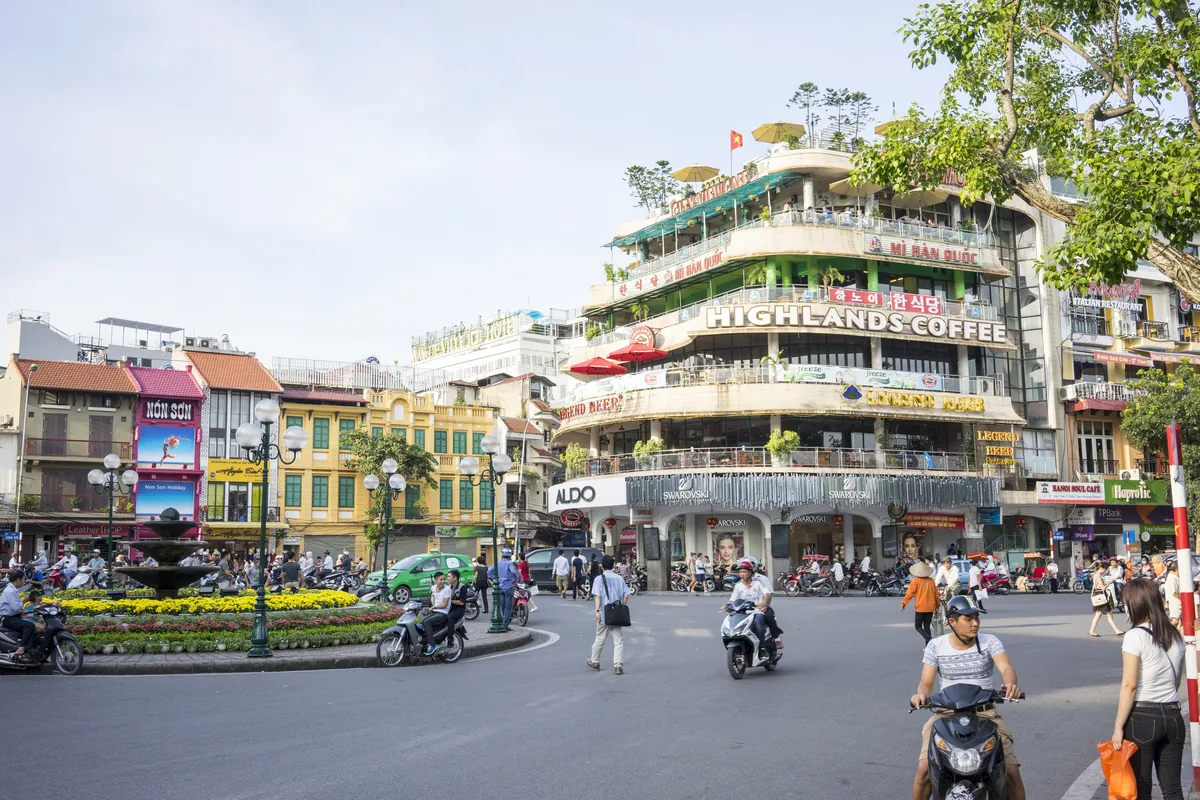
The south: Ho Chi Minh City and the Mekong Delta
[Ho Chi Minh City](destinations/ho-chi-minh-city), still called Saigon by many residents, is Vietnam's youngest major city in feel if not in age — French colonial buildings like Notre-Dame Cathedral and the old post office sit alongside rooftop bars and a fast-moving street food scene. The Saigon Zoo and Botanical Gardens offer a slower half-day for anyone wanting a break from the traffic.
The [Mekong Delta](destinations/mekong-delta) unwinds south and west of the city into a landscape defined entirely by water — floating markets, fruit orchards and villages best reached by narrow sampan rather than road. A homestay night here, common on longer itineraries, gives a far closer look at delta life than a single day trip allows.
Choosing which to combine
Few travellers manage all seven places on a first trip, and that's fine — the north (Sapa, Ha Long Bay, Hanoi), the centre (Hue, Hoi An) and the south (Ho Chi Minh City, the Mekong Delta) each work as a self-contained loop of four to six days if time is limited.
For those with two weeks or more, a full north-to-south route linking all three regions gives the clearest sense of how different Vietnam looks from one end to the other.
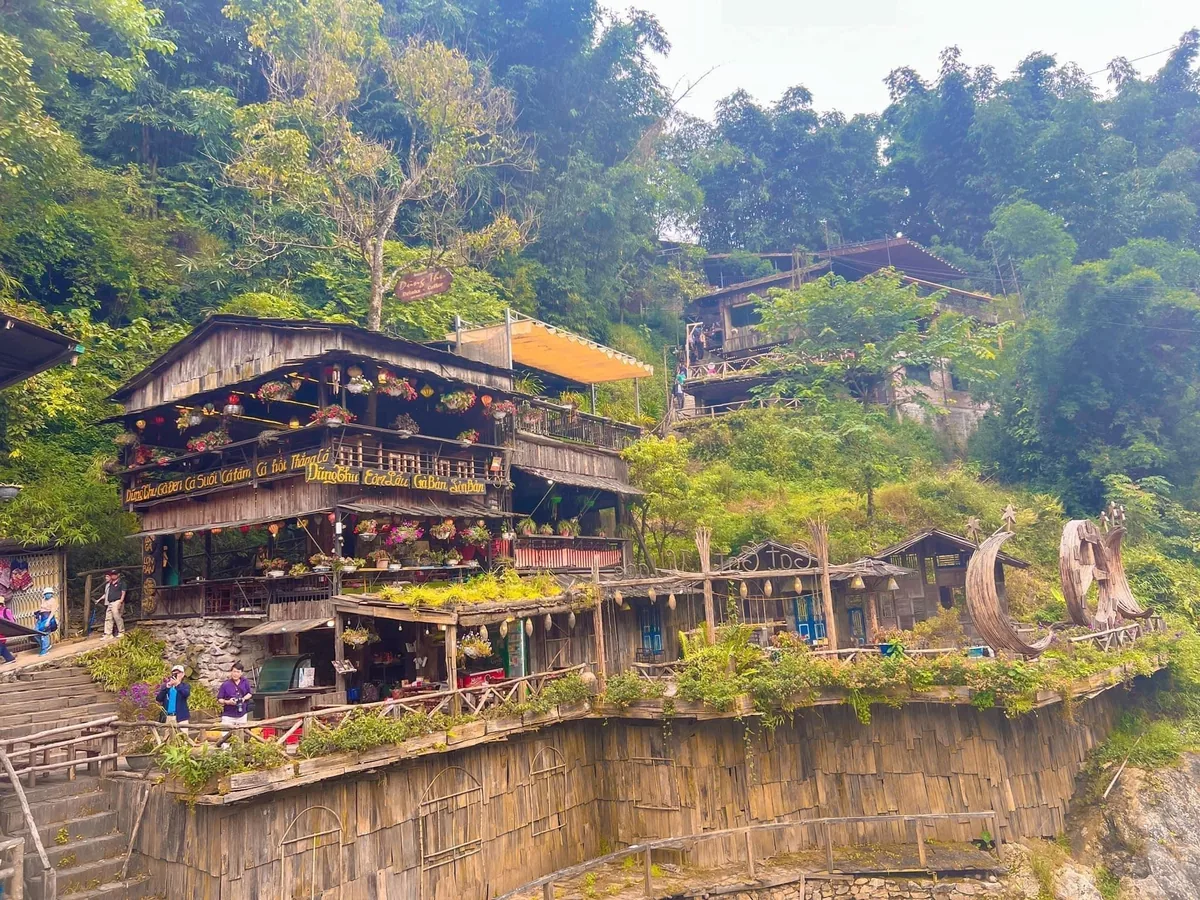
Plan it with us
These routes are built around the seven places above, whether the goal is a single region or the full length of the country.
Plan your trip
Tell us your dates, your group and what you want out of the trip. We reply with a costed itinerary within one working day.