Getting to Sapa and when to go
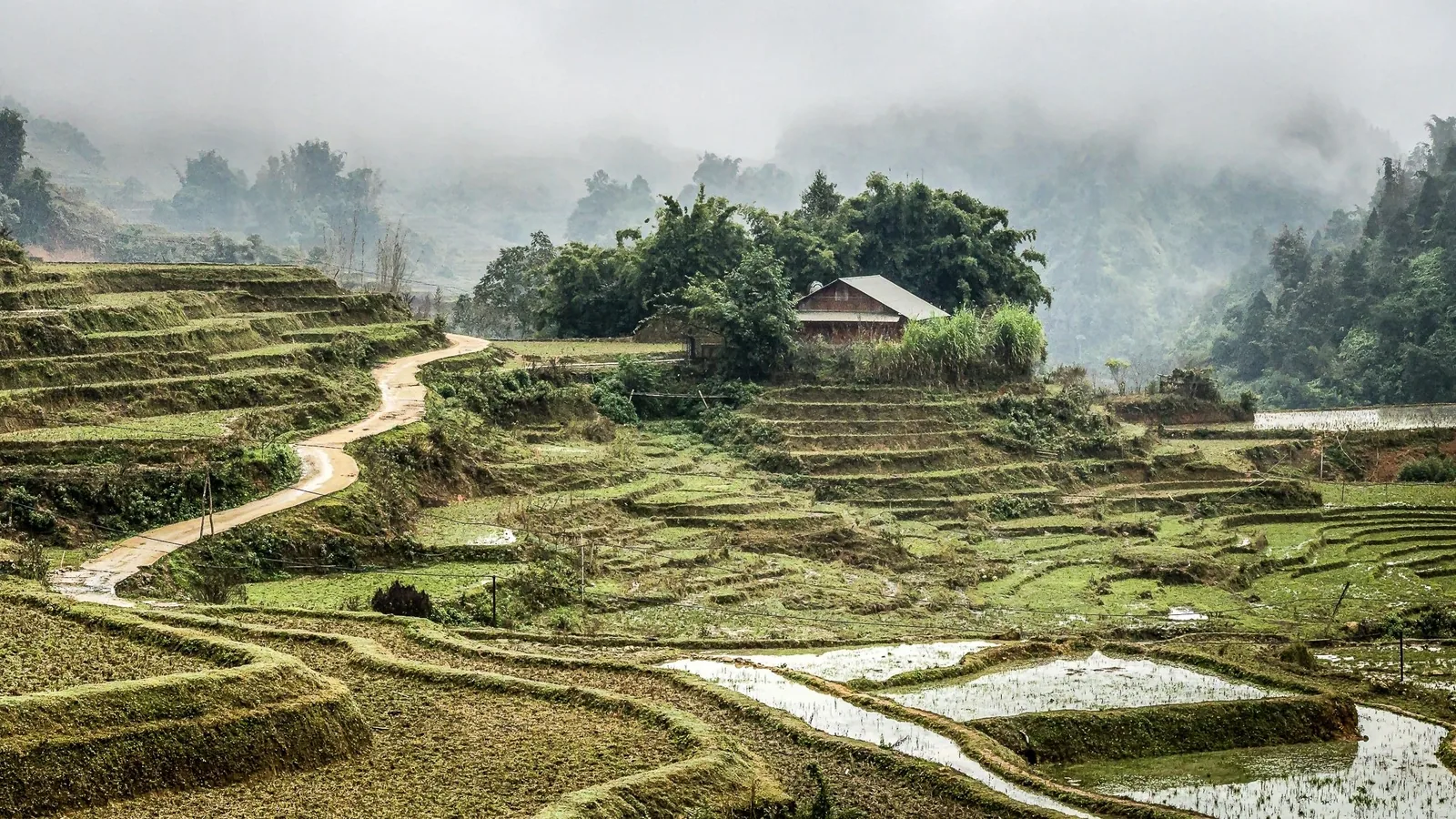
Sapa sits in Vietnam's northwest highlands, high enough that winter temperatures occasionally drop below freezing and dust the town in snow, a rarity anywhere else in the country. Spring, from February to May, draws the largest number of foreign visitors, when the terraced rice fields turn a deep green and pockets of colour break through — peach blossom here, trailing wild rose or a stand of white plum flower there.
From [Hanoi](travel-guide/hanoi-in-autumn), a van covers the distance in five to seven hours, or a night train to Lao Cai followed by a short bus or taxi ride takes closer to two days door to door but saves a night's accommodation. Travellers flying in from central or southern Vietnam usually connect through Hanoi's airport first.
Cat Cat village and Ham Rong mountain
Cat Cat village
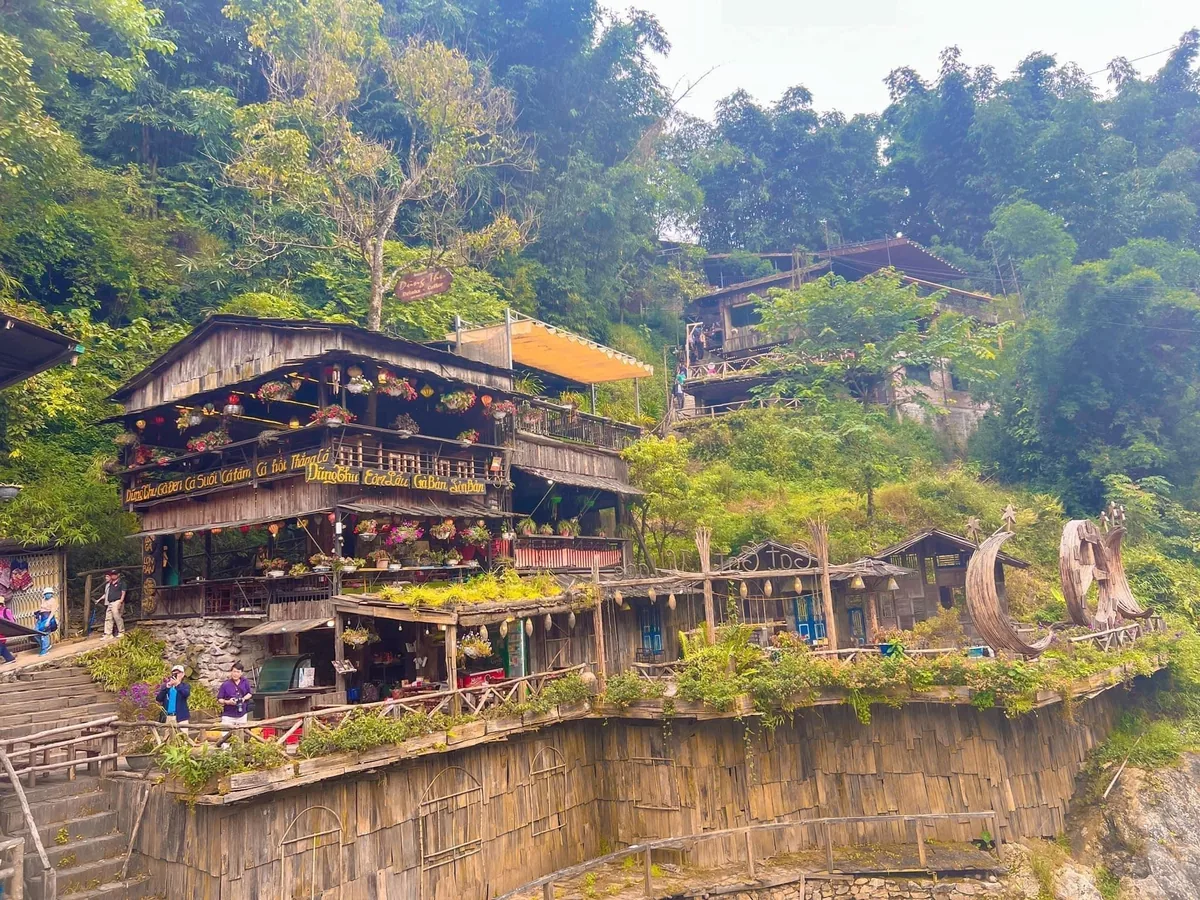
Cat Cat, discovered by French explorers early in the twentieth century, takes its name from a waterfall the French once called Cat Scat. The H'Mong community here still runs the village day to day, and the waterfall itself, formed by three converging streams, remains the main reason to walk down. With permission, some households let visitors inside to see how the timber houses are built and hear a bit of family history.
Ham Rong mountain
Ham Rong, a short climb above the town itself, is thick with orchids — several thousand varieties by local count — alongside peach blossom and hydrangea depending on the season. Local legend ties the mountain's shape to a dragon couple separated by a flood, the female's head said to have become the summit itself. The cloud-covered platform near the top is a popular late-afternoon stop for the view back down over Sapa.
Sin Chai village and trekking toward Fansipan
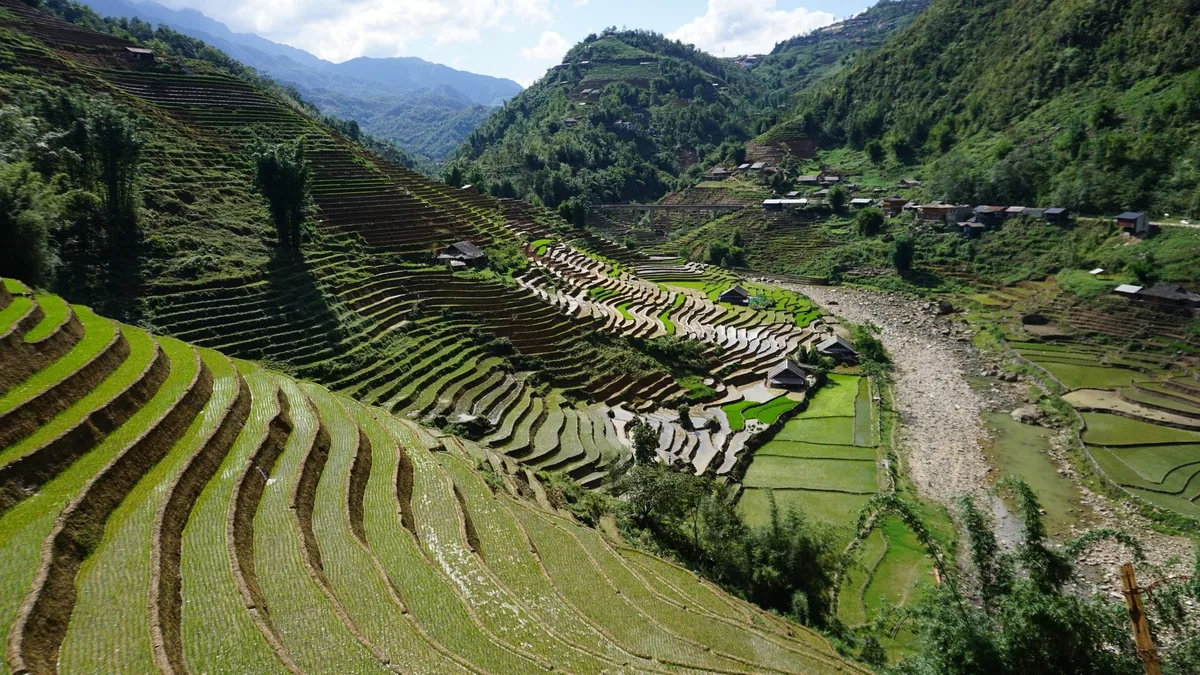
Sin Chai sits high on the slopes of Fansipan, Vietnam's tallest peak, and is home to the Red Dao community, recognisable by their distinctive red headscarves. The terraced fields here catch the light dramatically in the late afternoon, and residents are generally happy to demonstrate weaving and natural dyeing techniques to visitors who stop in.
It's also one of the better starting points for a half-day or full-day trek, since the paths climb gradually through the rice terraces before reaching forested sections higher up. Guides from the village know the routes well and can adjust the distance to match a group's fitness rather than following one fixed itinerary.
What to eat in Sapa
Highland cooking here differs sharply from the coast — for the wider picture, see our [Vietnamese food guide](travel-guide/vietnamese-food-guide).
- Thang co, a slow-stewed horse meat dish traditionally eaten in cold weather — an acquired taste, but a genuine local specialty rather than something made for visitors.
- Thit trau gac bep, smoked buffalo meat hung over a kitchen fire, and Sapa black chicken, both common on highland restaurant menus.
- Com lam, sticky rice packed into a bamboo tube and roasted over coals, originally made to travel well on long treks.
- Handwoven textiles and dried herbs at the local craft stalls, often sold alongside the food stands rather than in separate shops.
Plan it with us
Sapa's terraces look different every few weeks through the growing season, so timing matters more here than almost anywhere else on a Vietnam itinerary. Our northern routes build in enough days to trek without rushing between villages.
Plan your trip
Tell us your dates, your group and what you want out of the trip. We reply with a costed itinerary within one working day.