A bridge built by traders far from home
By the early 1600s, Hoi An had grown into one of Southeast Asia's busiest ports, hosting resident merchant communities from Japan, China and, before long, Portugal and the Netherlands. Locals call it Chua Cau; English-language guides usually label it the Japanese Covered Bridge, and it was built by that same Japanese trading community, with backing from the ruling Nguyen lords who governed the region at the time and actively encouraged foreign trade.
It's sometimes referred to by an older name meaning roughly 'bridge for friends from afar', a nod to the trade ties, including a documented marriage between a local princess and a Japanese merchant who was granted noble status, that once linked the town to Japan.
The legend built into its foundations
Local folklore ties the bridge to a mythical sea monster, imagined as a vast catfish with its head stretching under India, its body under Vietnam, and its tail reaching Japan — and whenever the creature shifted, the story goes, the ground shook and rivers flooded. The bridge was positioned squarely on the monster's back on the theory that its weight would keep the creature still.
A small shrine sits at one end, added a few decades after the bridge itself and dedicated to a guardian deity associated with protection from disaster. Carved guardian statues stand watch at the entrances — a monkey on one side, a dog on the other — a detail tied to the animal years in which construction is said to have begun and finished under the lunar zodiac.
A survivor of harder centuries
Hoi An's fortunes dipped sharply during a period of civil conflict in the 1770s, when a rebel uprising swept through the central coast and damaged much of the town. A European visitor who passed through a few years later described a settlement stripped of most of its grand buildings, with the covered bridge among the few structures still standing — evidence, by his account, of just how much had been lost, since even the temple bells nearby had reportedly been melted down for currency.
That the bridge survived that period, plus the intervening centuries of flooding, war and everyday wear, is a large part of why it's treated as the emotional centrepiece of the old town rather than just its most-photographed structure.
Its place in Hoi An today
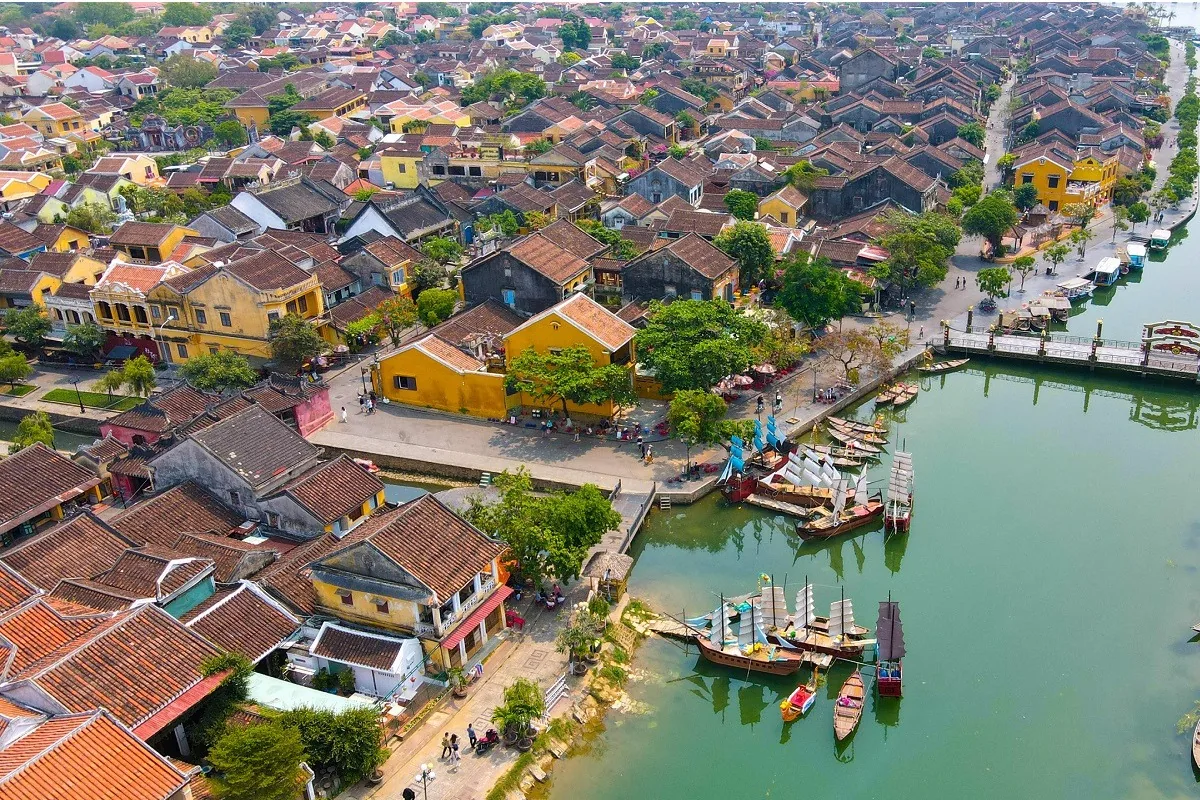
The bridge is featured on Vietnam's 20,000-dong banknote, which is as good a sign as any of how central it is to the country's sense of its own heritage, not just to [Hoi An](destinations/hoi-an) specifically. It sits inside the paid access zone covering the old town's historic buildings, so a visit here is usually combined with a handful of merchant houses, assembly halls and the central market in the same outing.
Restoration work has been carried out periodically to reinforce the structure's foundations and refresh its timber frame and roof tiles, standard maintenance for a wooden structure of this age standing over running water.
Seeing it well
Early morning, shortly after the old quarter opens for the day, is the best window for photographs — soft light, thinner crowds, and a chance to see the bridge before tour groups arrive later in the morning. The view from the riverbank on either side, rather than standing directly on the bridge, tends to give a better sense of its proportions and the canal it spans.
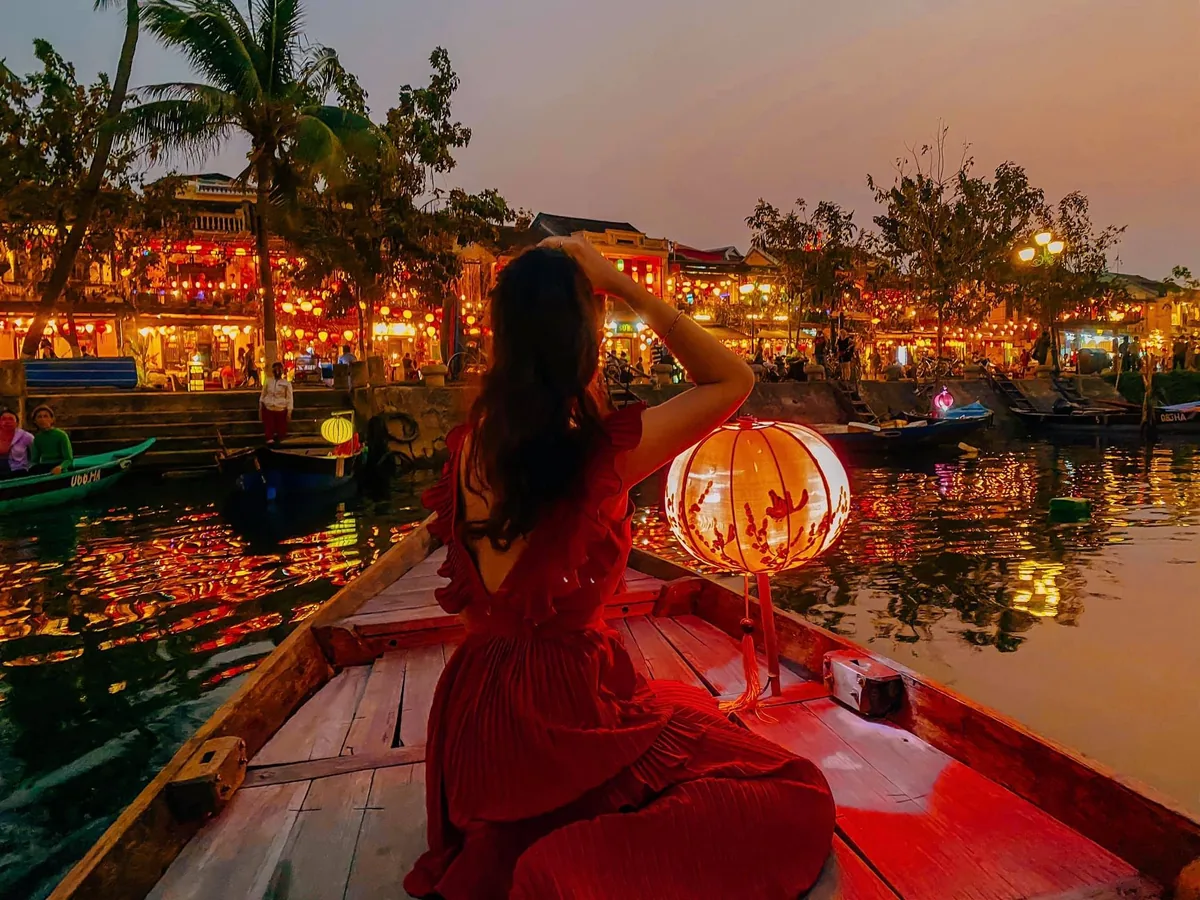
[Hoi An](destinations/hoi-an) is worth at least two nights so you're not rushing past the bridge on a single day trip from Da Nang — the town's other landmarks, and its evening lantern displays, are easier to appreciate at a slower pace. Our [Vietnam top destinations guide](travel-guide/vietnam-top-destinations) has more on where Hoi An fits into a wider itinerary.
Plan it with us
The bridge is a five-minute stop, but it anchors an old quarter that easily fills a day and an evening. These routes give Hoi An the time it deserves rather than treating it as a quick photo stop.
Plan your trip
Tell us your dates, your group and what you want out of the trip. We reply with a costed itinerary within one working day.