What Vu Lan is and when it happens
Vu Lan lands on the 15th day of the seventh lunar month, in the middle of what's widely referred to as Ghost Month, and it draws on both Taoist and Buddhist belief. Where Tet marks the turn of the year, Vu Lan is centred on family duty — showing gratitude to parents and ancestors, whether they're alive or long gone.
On the Gregorian calendar it usually lands sometime in August, moving slightly year to year the same way Tet does, so it's worth checking the exact date before you build a trip around it.
The story behind the festival
The tradition has roots in an ancient Buddhist parable about a devoted disciple who discovered, after his mother's death, that her past cruelty had condemned her to suffering in the afterlife. Told that prayer alone wouldn't be enough, he gathered a community of monks to intercede on her behalf when the moon was full that same month — and in doing so freed not just her but other trapped souls as well.
That act of collective prayer for the dead is the root of Vu Lan as it's practised today: an occasion for the living to make merit on behalf of parents and ancestors, rather than a private, solitary devotion.

What you'll actually see at a pagoda
Crowds, chanting and incense
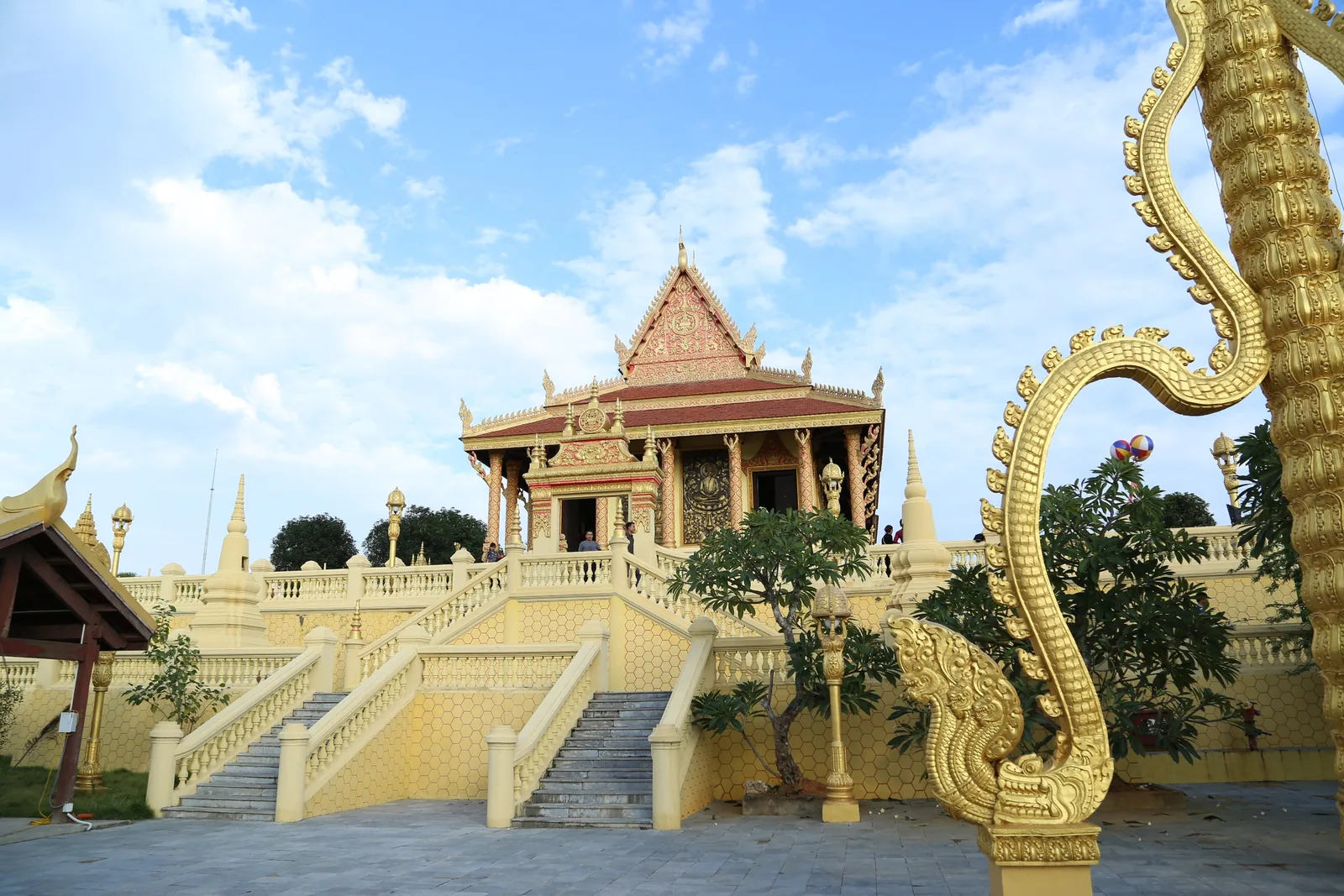
Pagodas fill with worshippers through the festival period, some for a single visit, others attending ceremonies that run across the entire lunar month rather than on one fixed day. Expect chanting, incense offerings and a noticeably more devotional atmosphere than an ordinary temple visit — this is a working religious event, not a staged performance for tourists.
A rose, pinned to the chest
One of the most visible customs is the pinning of a rose to a shirt: red for those whose mother is still living, white for those whose mother has passed. It's a simple, quiet marker of loss or gratitude that dates to a 20th-century Buddhist ceremony and has since become one of the festival's defining images.
Meatless meals
Many households and restaurants shift to vegetarian menus for the day, or the whole month, on the belief that abstaining from meat during this period avoids adding bad karma and channels merit toward deceased relatives. Visitors will notice far more vegetarian set menus advertised at restaurants than usual.
Lanterns set adrift after dark
After sunset, paper and lotus-shaped lanterns are floated down rivers in cities including [Hoi An](destinations/hoi-an), Hue and Ho Chi Minh City, each one carrying a private wish for a parent, living or dead. A river lit with dozens of drifting candle flames is one of the more striking sights on the Vietnamese festival calendar, and well worth planning an evening around if your dates line up.
Grave visits and small acts of mercy
Families also tend ancestral graves during this period, and it's common to see people releasing caged birds or fish back into the wild — a symbolic act of compassion that fits the festival's broader theme, and one that's practised especially widely across the north.
Planning a visit around it
Unlike Tet, Vu Lan doesn't shut down businesses or transport, so it's a far easier festival to build a trip around. The main adjustment worth making is timing an evening in a river town — [Hoi An](destinations/hoi-an) especially — to coincide with a lantern release, and checking that a pagoda visit lands during daylight hours when ceremonies are most active. Our [guide to first-time travel in Vietnam](travel-guide/vietnam-first-time-guide) covers broader seasonal planning if this is your first trip.
Plan it with us
A trip that lines up with Vu Lan gets an extra layer of culture on top of the usual sightseeing, without the closures that come with Tet. These routes pass through the river towns and cities where the festival is most visible.
Plan your trip
Tell us your dates, your group and what you want out of the trip. We reply with a costed itinerary within one working day.