One country, three climates
Because Vietnam runs so far north to south, there is no single month that suits the whole country at once. A coat that makes sense in Hanoi in January would be unbearable in Ho Chi Minh City the same week.
- North (Hanoi, Ha Long Bay, [Sapa](travel-guide/sapa-things-to-do)): driest and coolest from October to April, with a real winter chill in December and January and occasional light snow on the highest ridges near Fansipan.
- Centre (Hue, [Hoi An](destinations/hoi-an), Da Nang): hot and dry from February through August, with the wettest, stormiest stretch landing in October and November.
- South (Ho Chi Minh City, [Mekong Delta](destinations/mekong-delta)): a dry run from December to April, then humid afternoons and short, heavy downpours from May through November rather than all-day rain.
A two- to three-week route that tries to cover all three regions works best somewhere between October and April, when at least two of the three are at their calmest.
What each region feels like on the ground
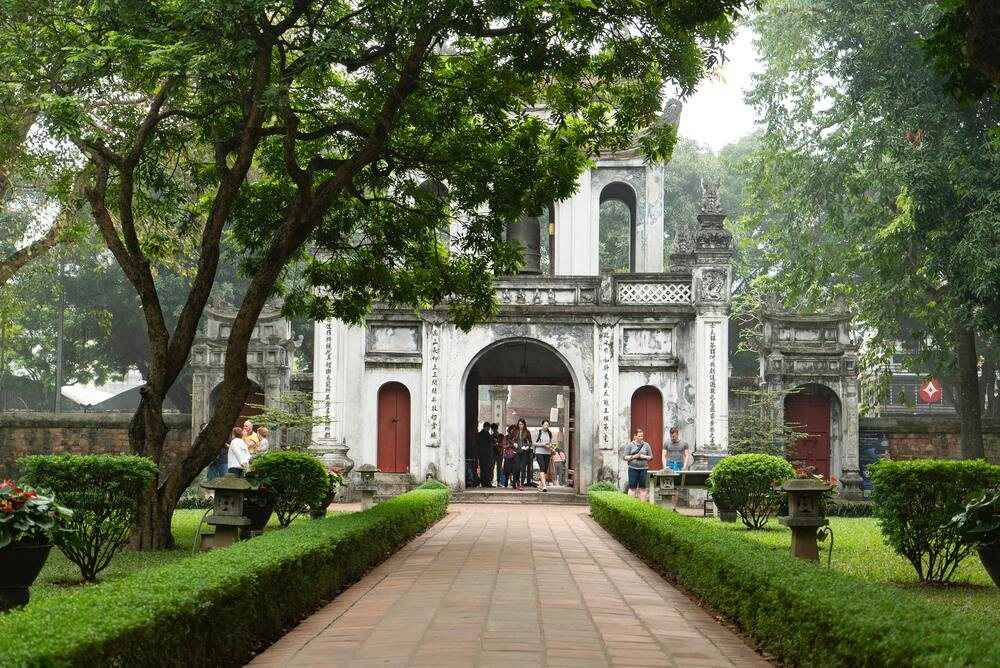
The north is where the terrain does the talking: terraced rice slopes stepping down mountainsides around Sapa, limestone islands scattered across [Ha Long Bay](destinations/ha-long-bay), and a capital, Hanoi, built around a lake and a tangle of narrow streets that still follow their old trade-guild names.
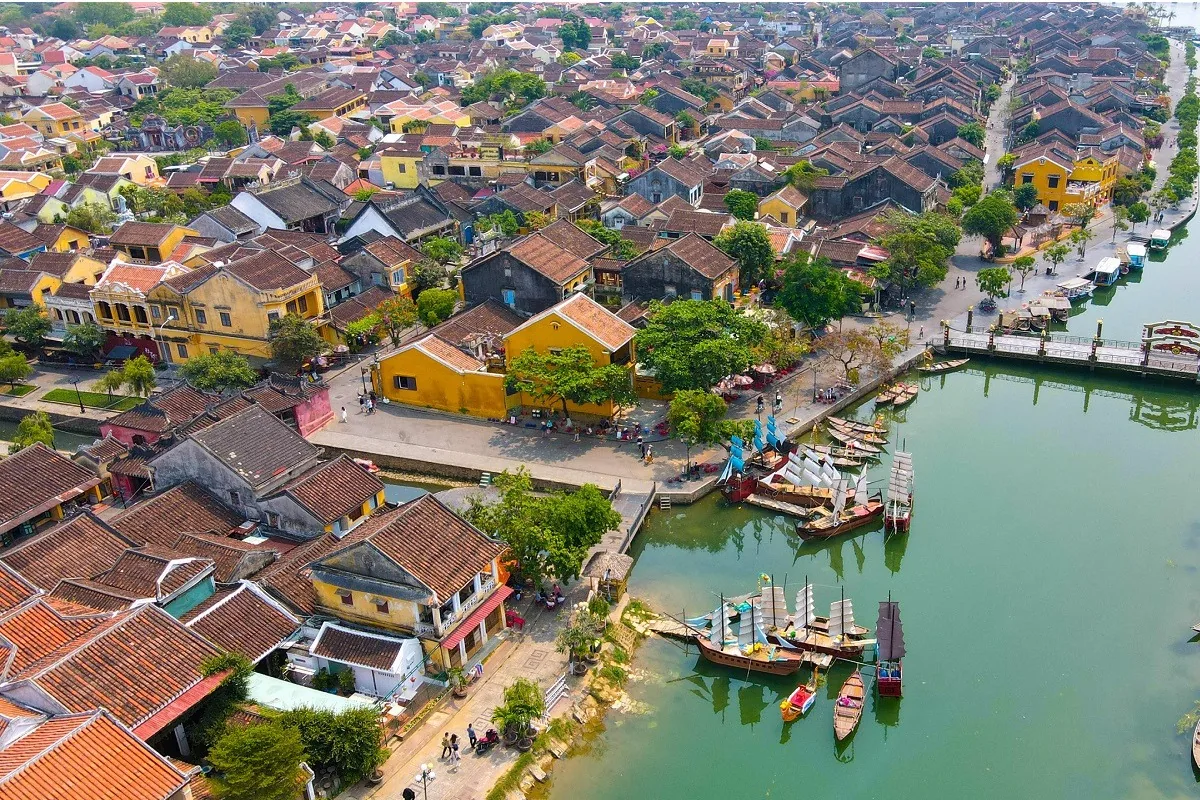
Central Vietnam carries the country's imperial history. Hue's citadel and royal tombs sit along the Perfume River, while Hoi An's old quarter, closed to cars after dark, glows with paper lanterns and tailor shop windows. Da Nang, between the two, adds a long beach and the sculpted grottoes of the Marble Mountains.
The south moves faster. Ho Chi Minh City runs on scooters and rooftop bars stacked above French colonial blocks, the Cu Chi tunnels sit within a half-day trip of the centre, and the [Mekong Delta](destinations/mekong-delta) unwinds into narrow waterways where produce still changes hands boat to boat at dawn markets.
Food worth building a day around
Pho, usually eaten at breakfast rather than saved for dinner, varies by region: a clear, simple broth in the north, sweeter and heavier with herbs further south. Banh mi, a legacy of the French baguette married to Vietnamese fillings, is sold from carts on nearly every corner for the price of a coffee.
- Bun cha — grilled pork over rice noodles with a sharp fish-sauce dip, a Hanoi lunch staple.
- Ca phe trung — egg coffee, a Hanoi invention using egg yolk whipped with condensed milk instead of cream.
- Ca phe sua da — strong drip coffee over ice with condensed milk, found everywhere from north to south.
- Night market stalls on plastic stools, where a full meal often costs less than a bottle of water back home.
Shaping a first route
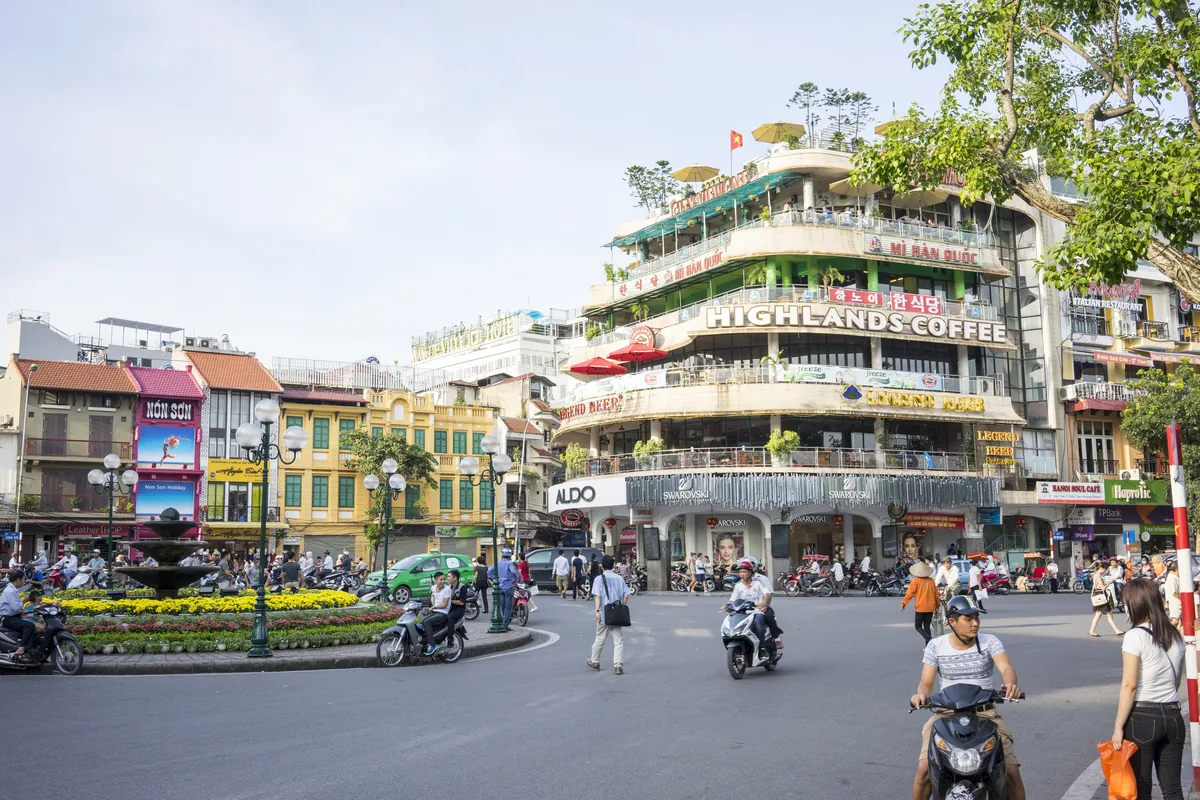
Most first trips fly into either Hanoi or Ho Chi Minh City and travel the length of the country from there, mixing short domestic flights with overland driving where the distances get long. How much ground to cover comes down to how many days are available.
- Ten to twelve days: pick one axis, such as Hanoi–Ha Long Bay–Sapa in the north, or Saigon–Mekong Delta–Hoi An linked by a short flight.
- Two weeks or more: a full north-to-south route becomes realistic, taking in mountains, imperial history and the delta in one trip — see our [Beauty of Vietnam](tours/beauty-of-vietnam) and [Best of Vietnam](tours/best-of-vietnam) itineraries for how that's usually paced.
- A week or under: stay regional rather than trying to stitch the whole country together — our [Vietnam Compact](tours/vietnam-compact) route covers south, centre and north in seven days using domestic flights between them.
Practical basics before you land
Entry requirements depend on nationality and change from time to time, so check current rules directly rather than trusting an old travel post — our [contact](contact) page can point you to what applies for your passport. The currency is the Vietnamese dong, and cash still matters outside the bigger cities even as card payments spread.
For getting around, sleeper trains suit the coastal route between Hanoi and Hue, domestic flights save a day when the next stop is far south, and a private car with driver makes sense for multi-city itineraries where the group wants flexibility over a fixed bus schedule.
Plan it with us
If this is a first look at Vietnam, these routes are built around the regions covered above, paced so the travel days don't outnumber the sightseeing ones.
Plan your trip
Tell us your dates, your group and what you want out of the trip. We reply with a costed itinerary within one working day.