Why Cambodia comes paired with a neighbour
Siem Reap and Phnom Penh sit close enough to southern Vietnam and southern Laos that most itineraries route through them on the way to or from somewhere else, rather than treating Cambodia as a closed loop on its own. The Mekong itself makes the case for this — it runs from the Vietnamese delta through Phnom Penh, so a river-based route naturally continues across the border.
That's a routing choice, not a shortage of things to do — Angkor alone covers several temple complexes across a few days, and Phnom Penh's riverside and markets are worth a stay of their own. It just means Cambodia is currently offered as a leg inside a longer trip rather than its own package.
Tours that include Cambodia
What each route actually covers in Cambodia
[Mekong Delta and Temples](tours/mekong-delta-and-temples) gives Cambodia the biggest share of any route here — after the river days in Vietnam, it crosses into Phnom Penh before continuing to Siem Reap, with time built in at both cities rather than a rushed pass-through.
[Discovery Indochina](tours/discovery-indochina) and [Grand Indochina Golf](tours/indochina-golf) both treat Angkor as one stop within a wider country list, so the Cambodia stretch is shorter but still includes the main temple sites around Siem Reap.
Best time for Cambodia
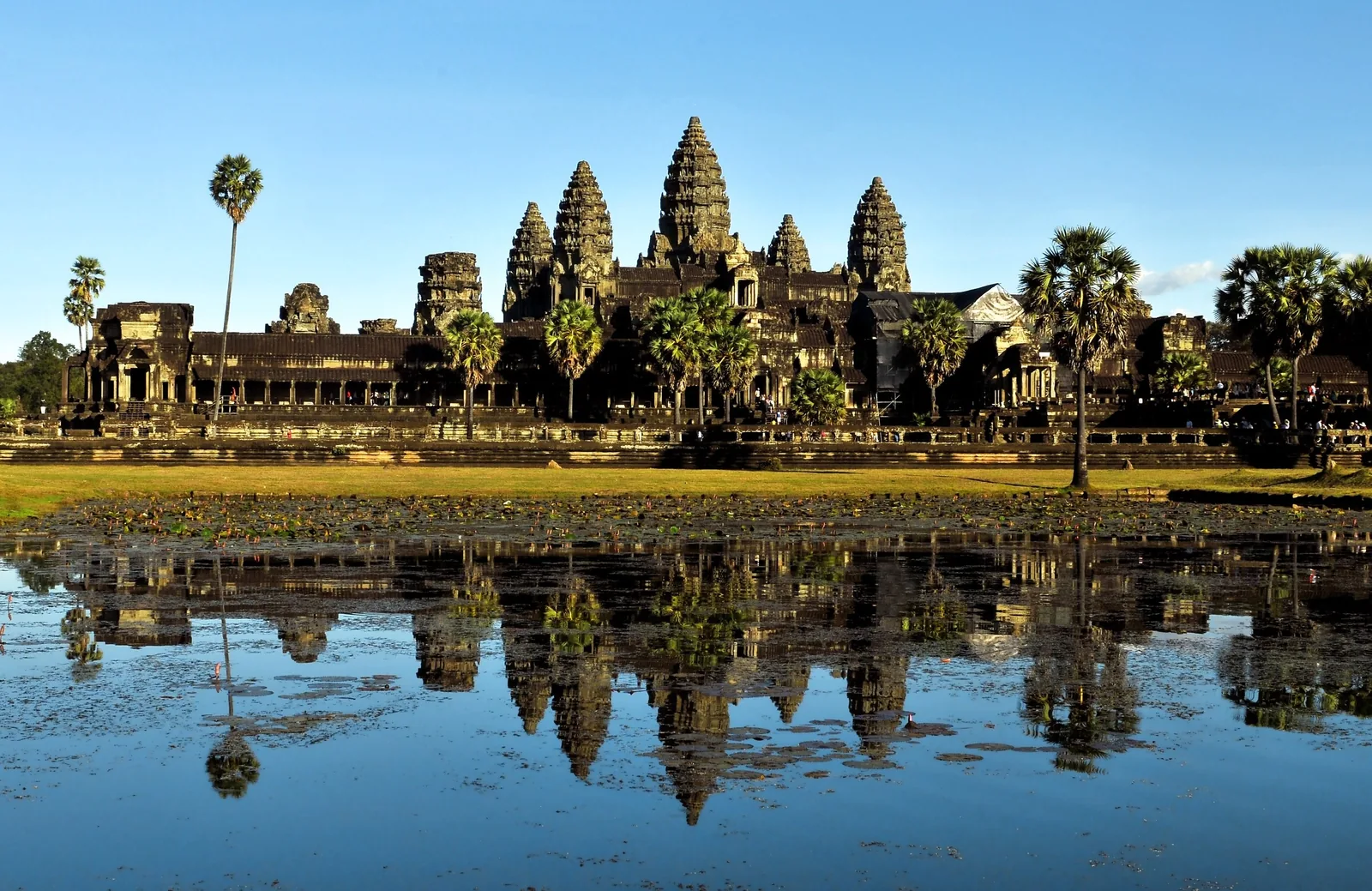
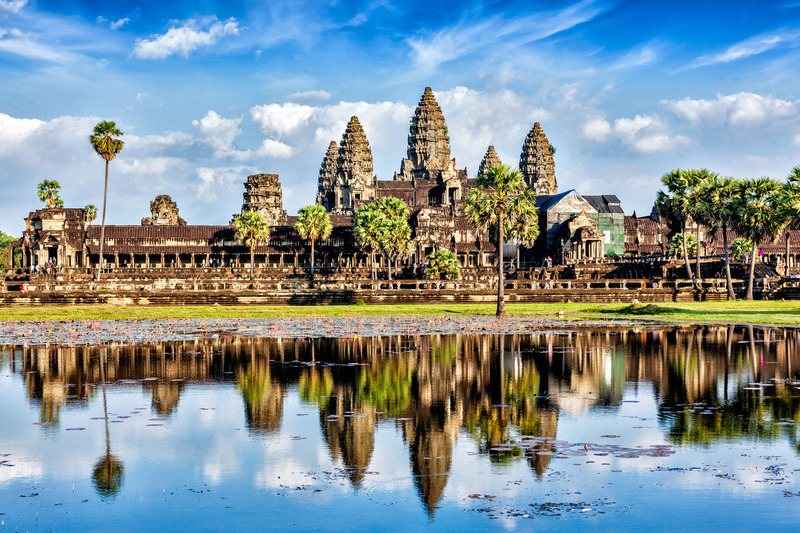
The dry season from November to February brings the most comfortable temperatures for walking around Angkor's stone terraces, which have little shade by mid-morning. March through May is the hottest stretch, often over thirty-five degrees by early afternoon.
Rain from roughly June through October arrives mostly in short afternoon bursts rather than washing out whole days, and the moated temples and surrounding forest are noticeably greener through that period if a quieter visit matters more than dry footing.
Beyond the temples
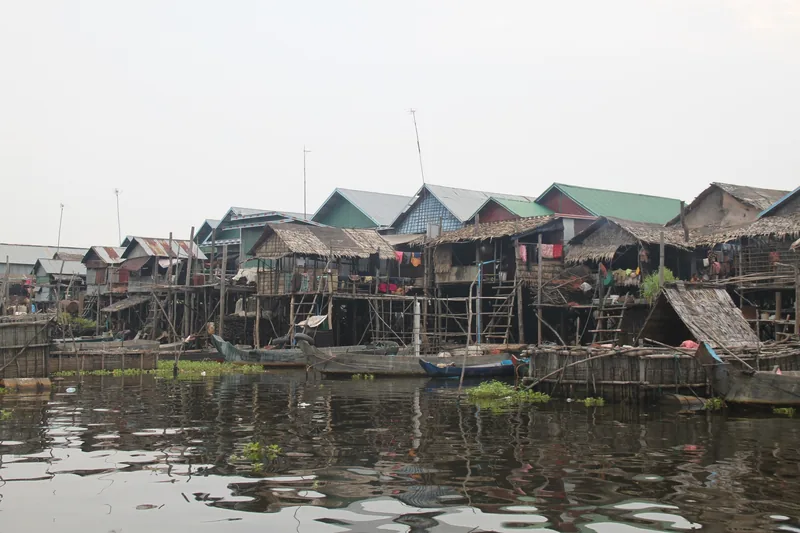
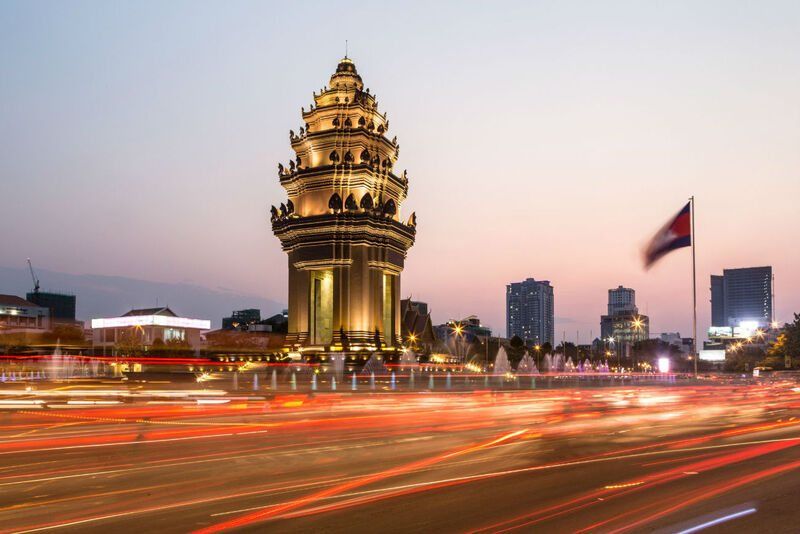
Phnom Penh's riverside promenade and its mix of French colonial buildings and Cambodian architecture give the capital a different rhythm from Siem Reap's temple-town pace — worth the half-day or so each route allows it. Cambodia's food, history and river life are covered further in the [Cambodia history guide](travel-guide/cambodia-history-guide).
None of the three routes above treat Cambodia as an afterthought squeezed into the last two days — each one builds in enough time at Angkor specifically that a rushed single-day pass is never the plan.
Getting there and around
Siem Reap International Airport handles most arrivals for the temple sites, though on these three tours you'll typically arrive overland or by a short domestic flight from within Vietnam rather than flying in from outside the region. Phnom Penh has its own international airport as well, used mainly as an exit point on routes that finish there rather than continue on to Laos.
Around Angkor itself, a hired car or tuk-tuk covers the distances between temple clusters — Angkor Wat, the Bayon at Angkor Thom and the tree-wrapped ruins of Ta Prohm sit several kilometres apart, too far to walk between comfortably in the heat. Each itinerary above builds that transport into the day rather than leaving it for you to arrange on the ground.
If you'd rather visit Cambodia on its own
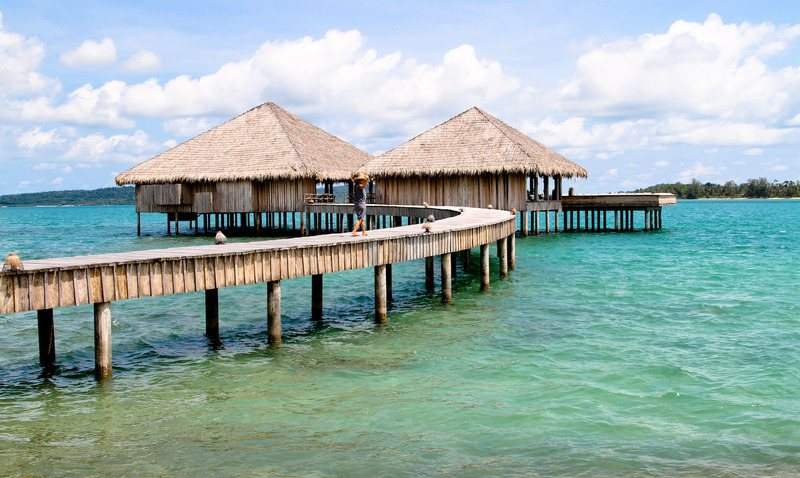
A standalone Cambodia route isn't on this list yet, but the building blocks are — Siem Reap, Phnom Penh and coastal stops such as Sihanoukville or Kampot all have their own [destination pages](destinations/cambodia) with practical detail. If a Vietnam or Laos leg genuinely doesn't fit your plans, [contact](contact) us with what you have in mind and we'll see what a Cambodia-focused itinerary could look like.
Start planning
Send us a short brief and we will come back with a costed itinerary within one working day.
In pictures
In pictures
In pictures
In pictures
In pictures
In pictures